What 30 Days of Intentional Content Can Do
Before a single post went up, the foundation was built — a full brand strategy, a distinct visual identity, and a clear point of view for two very different accounts. Then the content did exactly what it was designed to do.


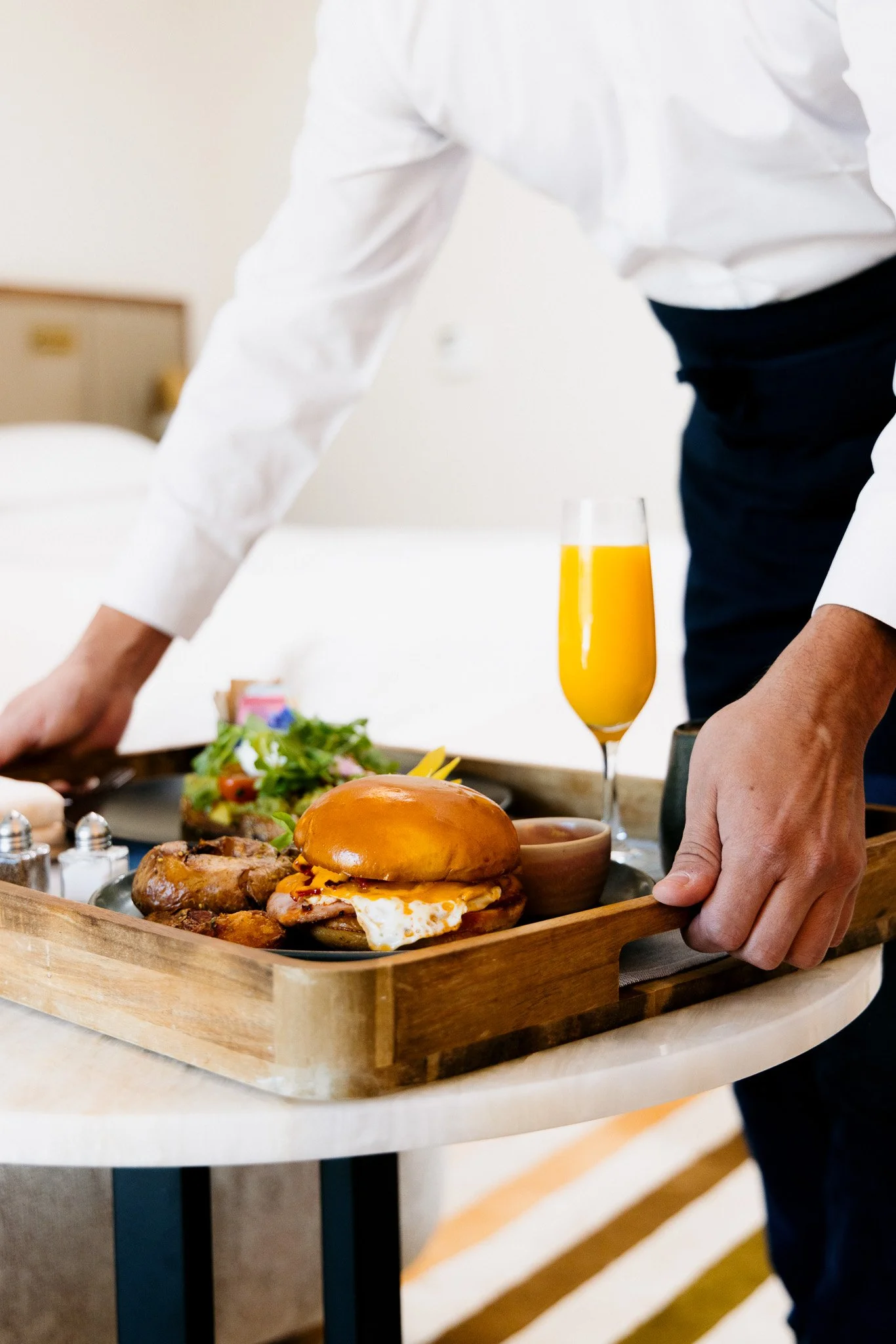
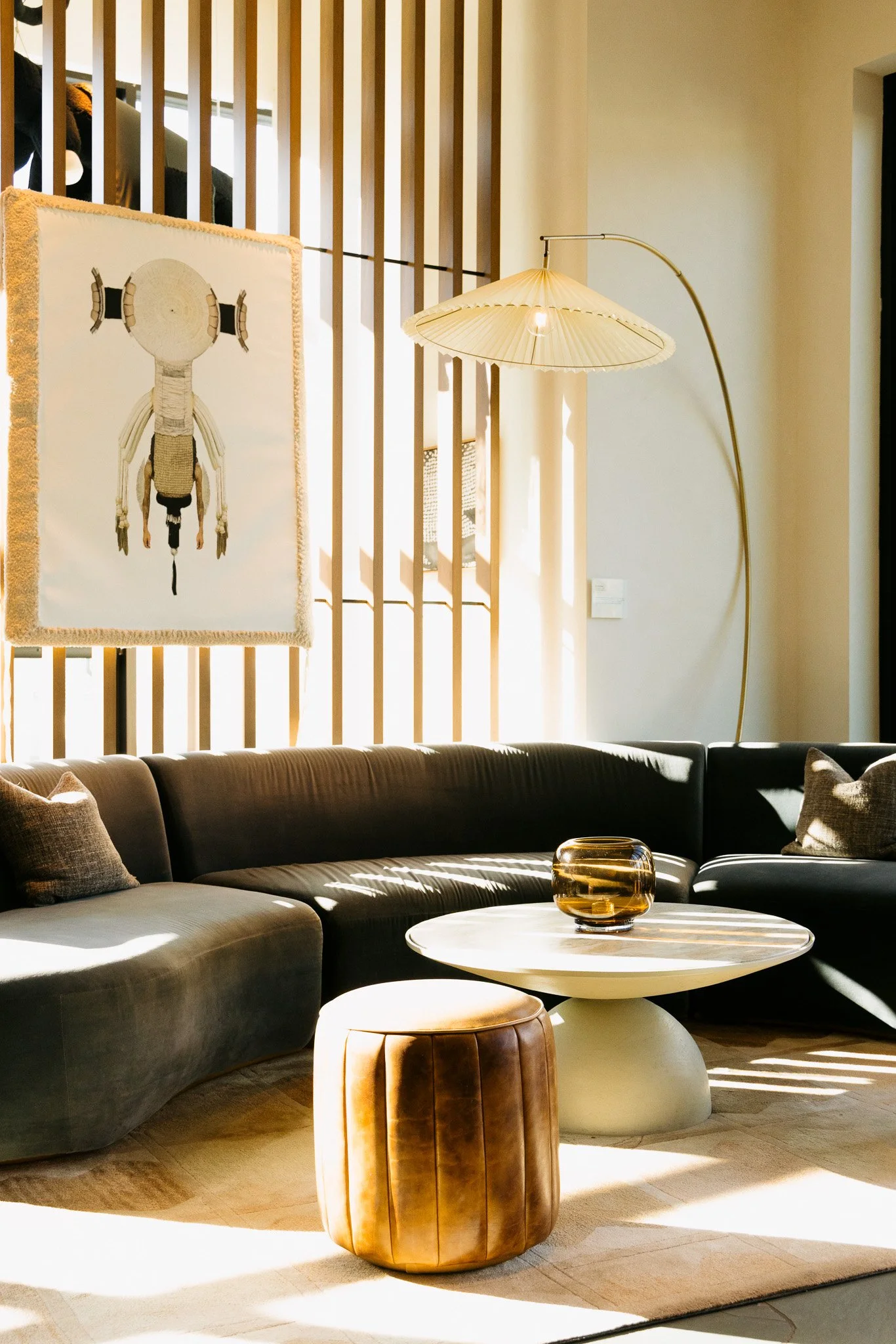
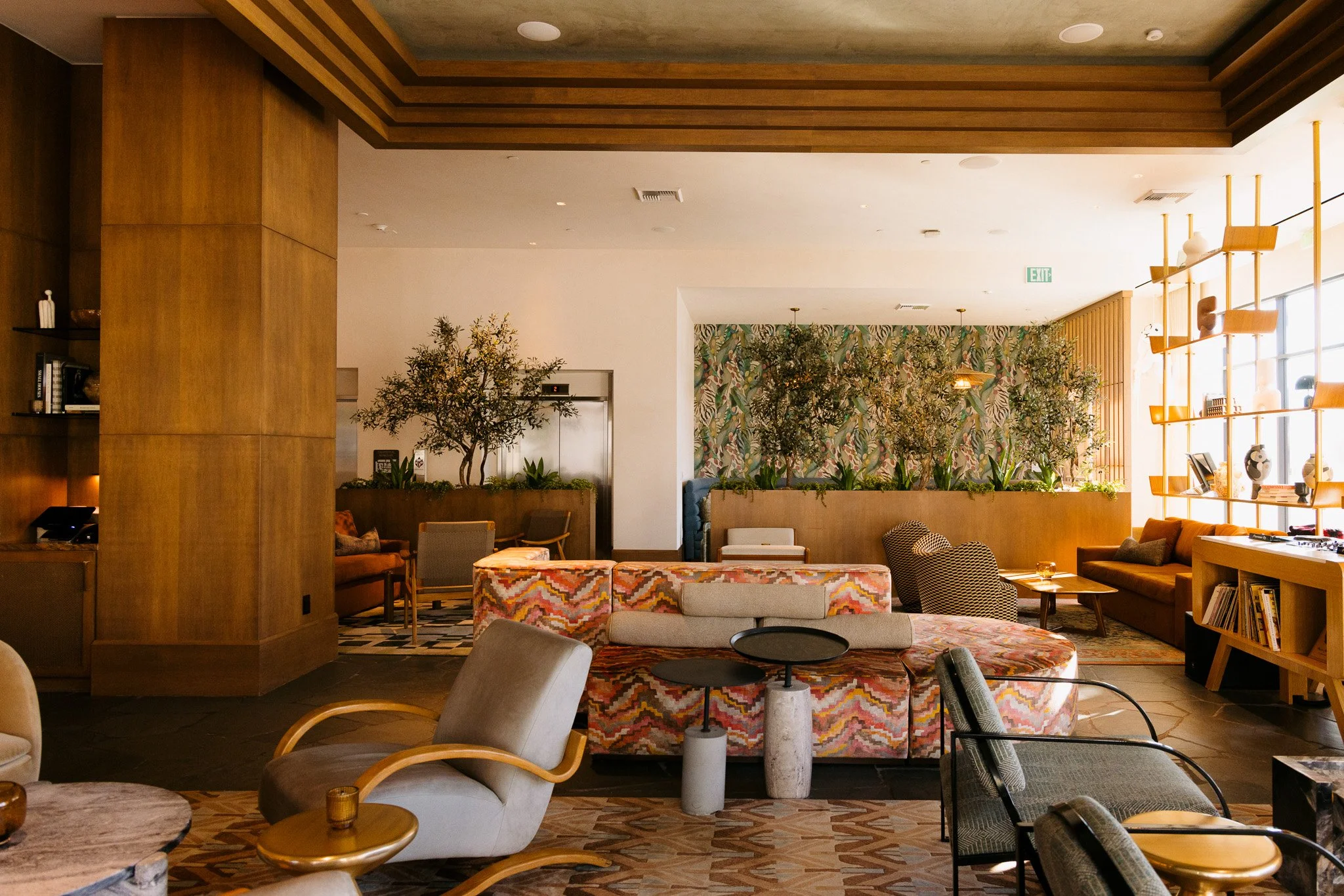
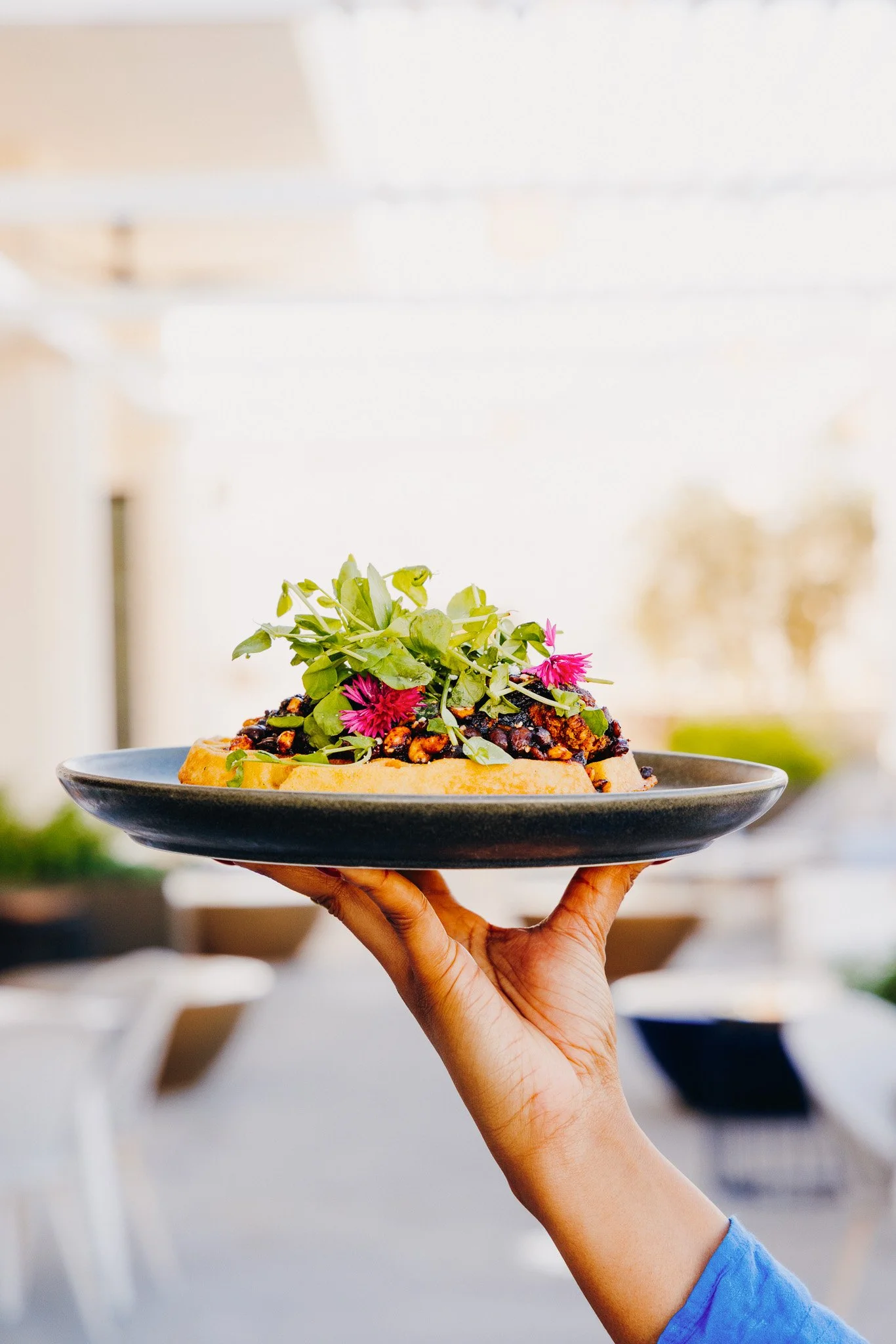
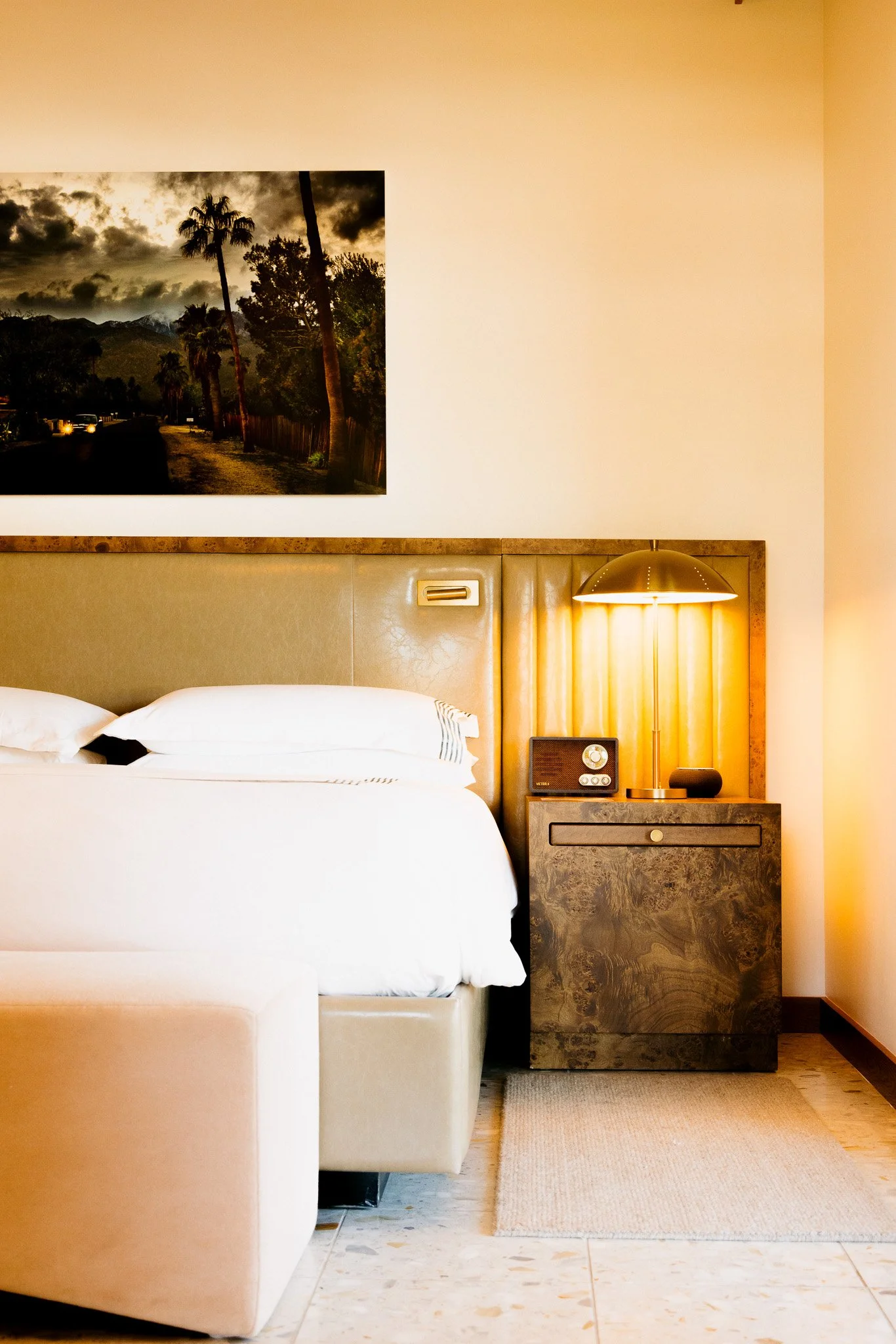

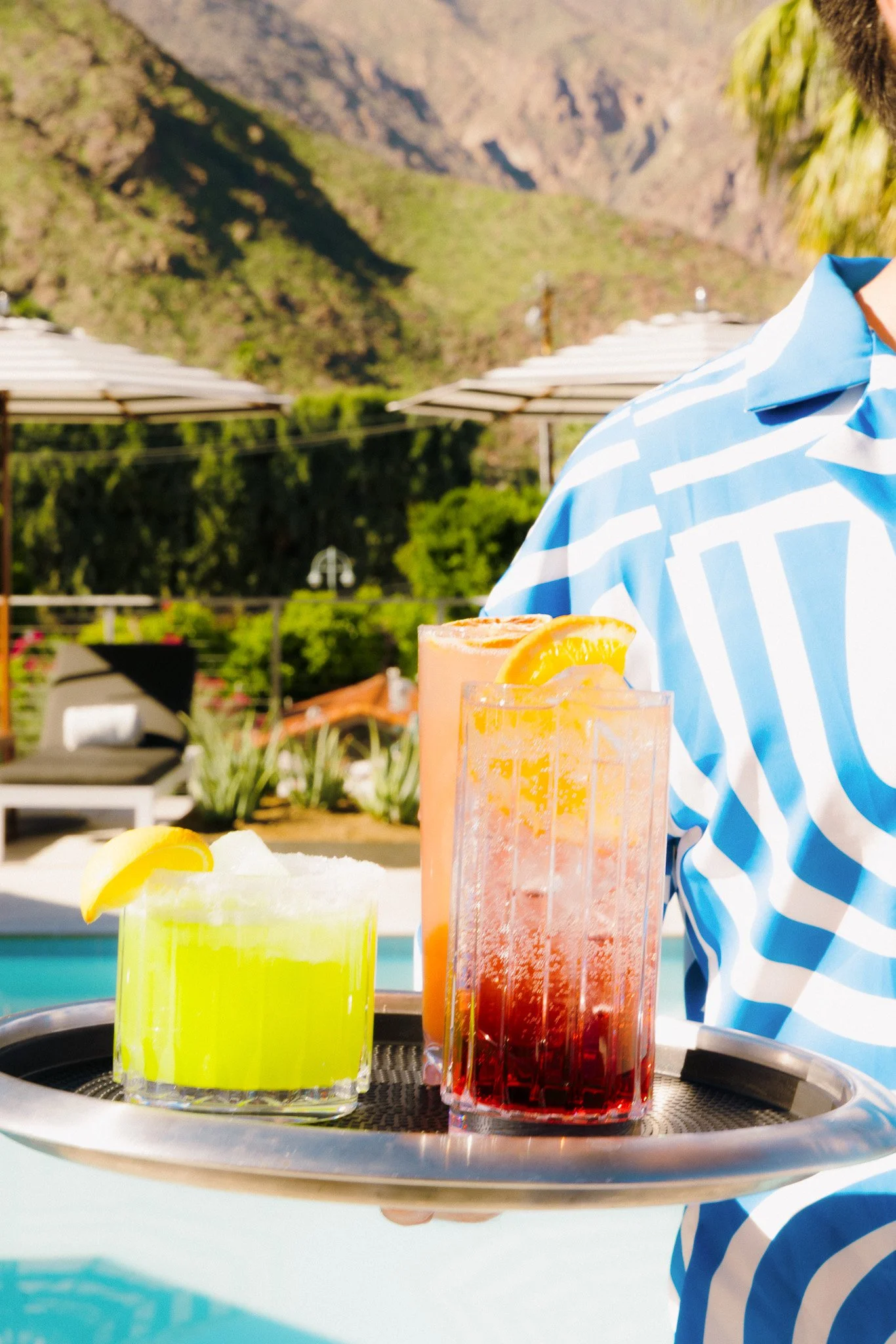
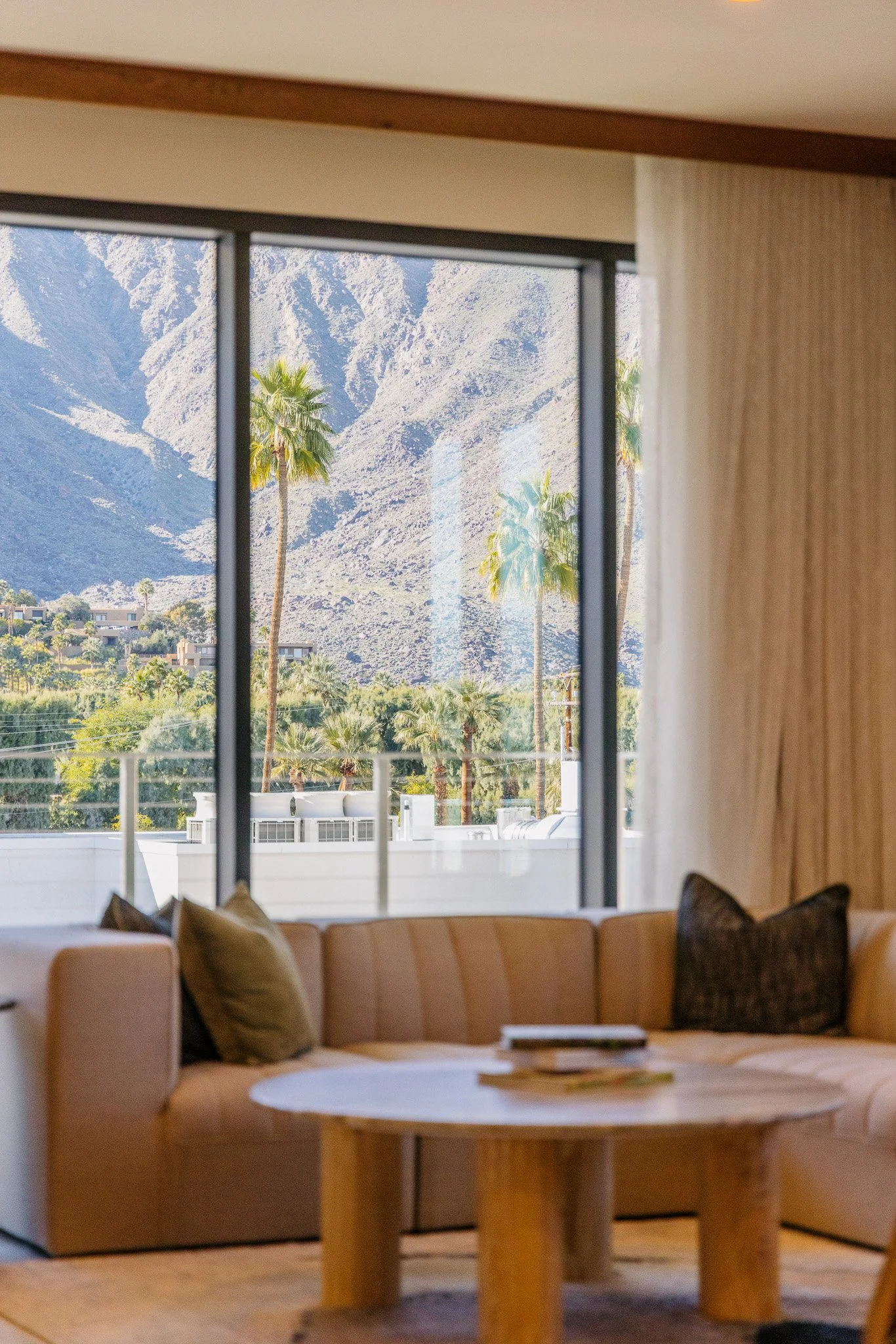
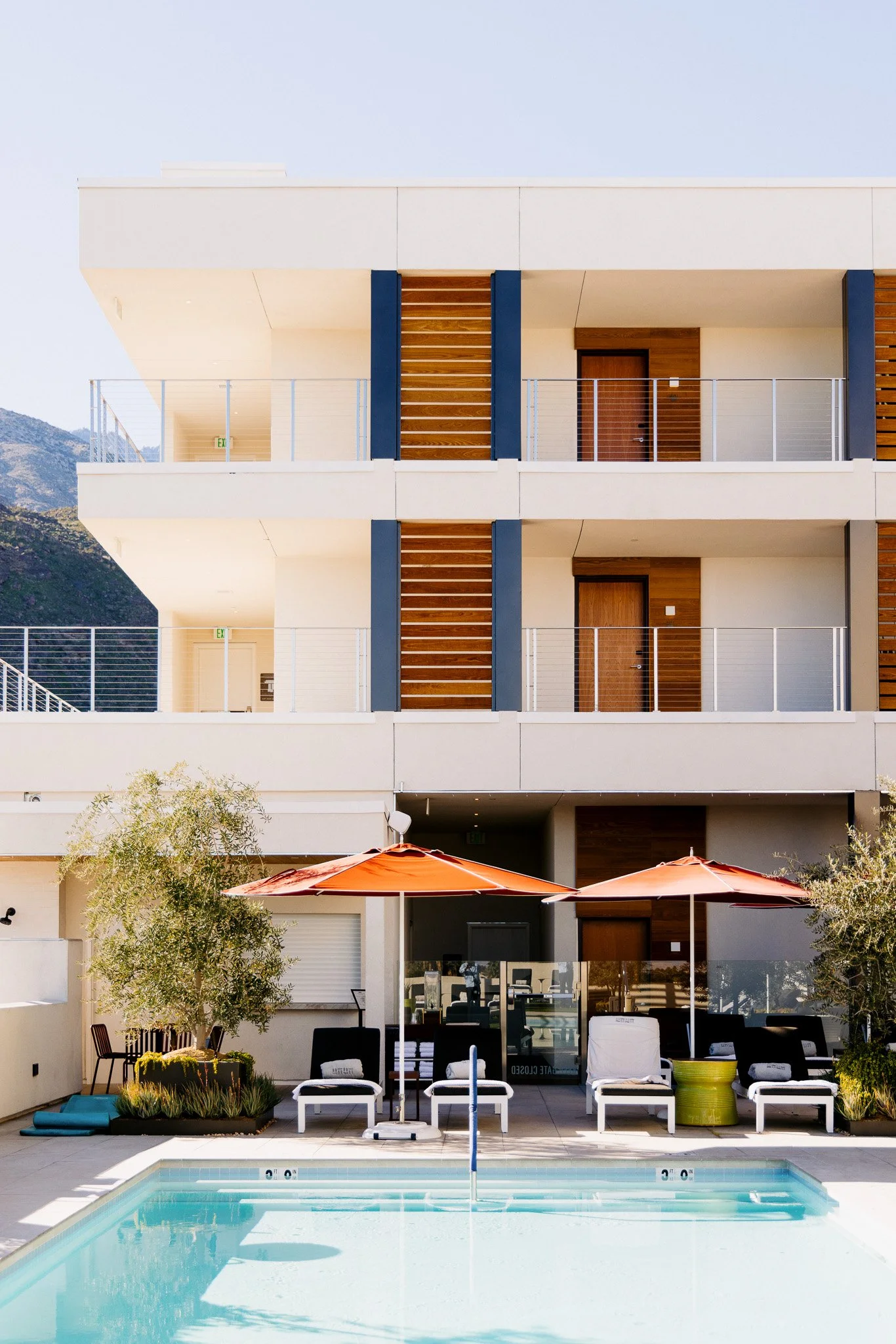
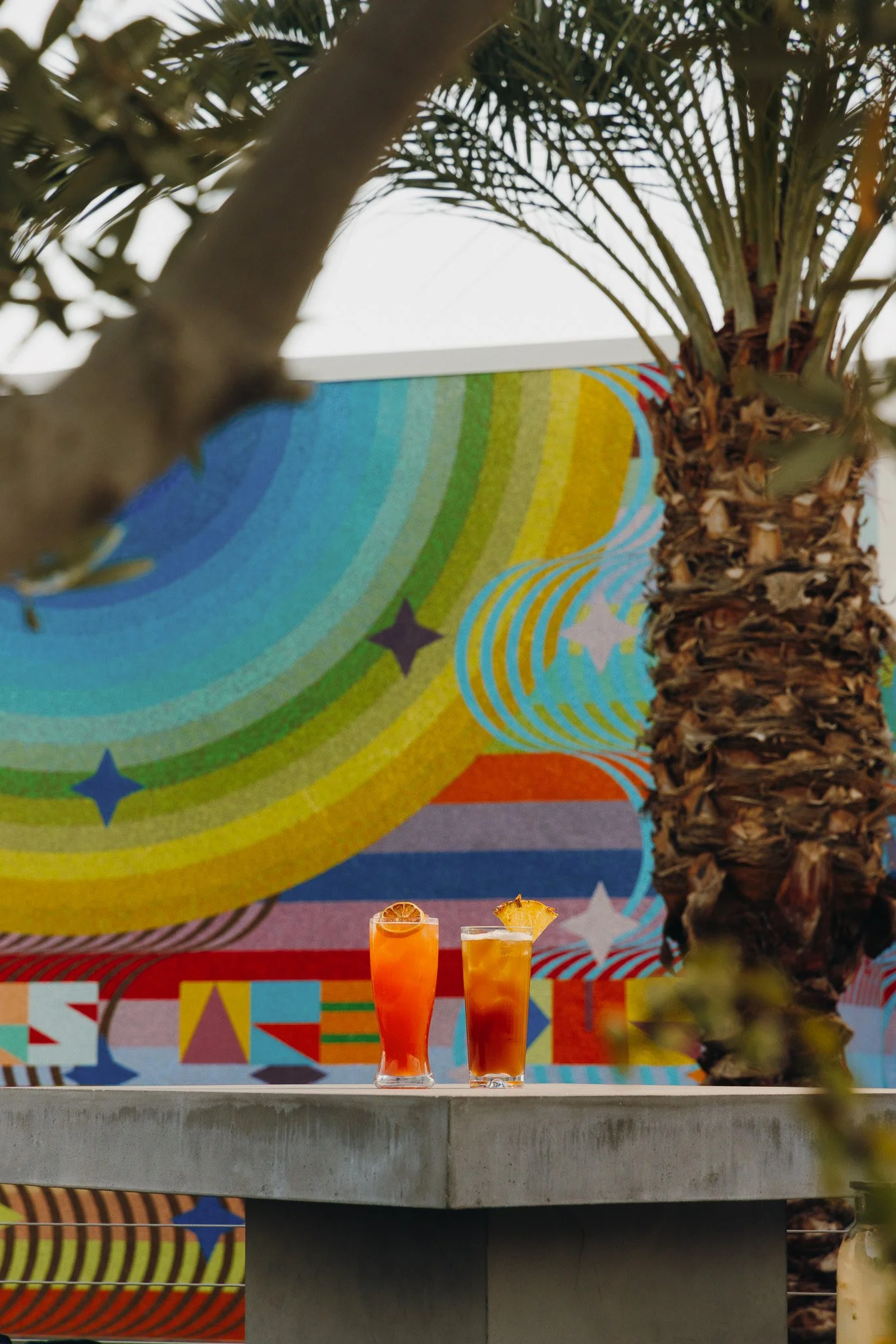
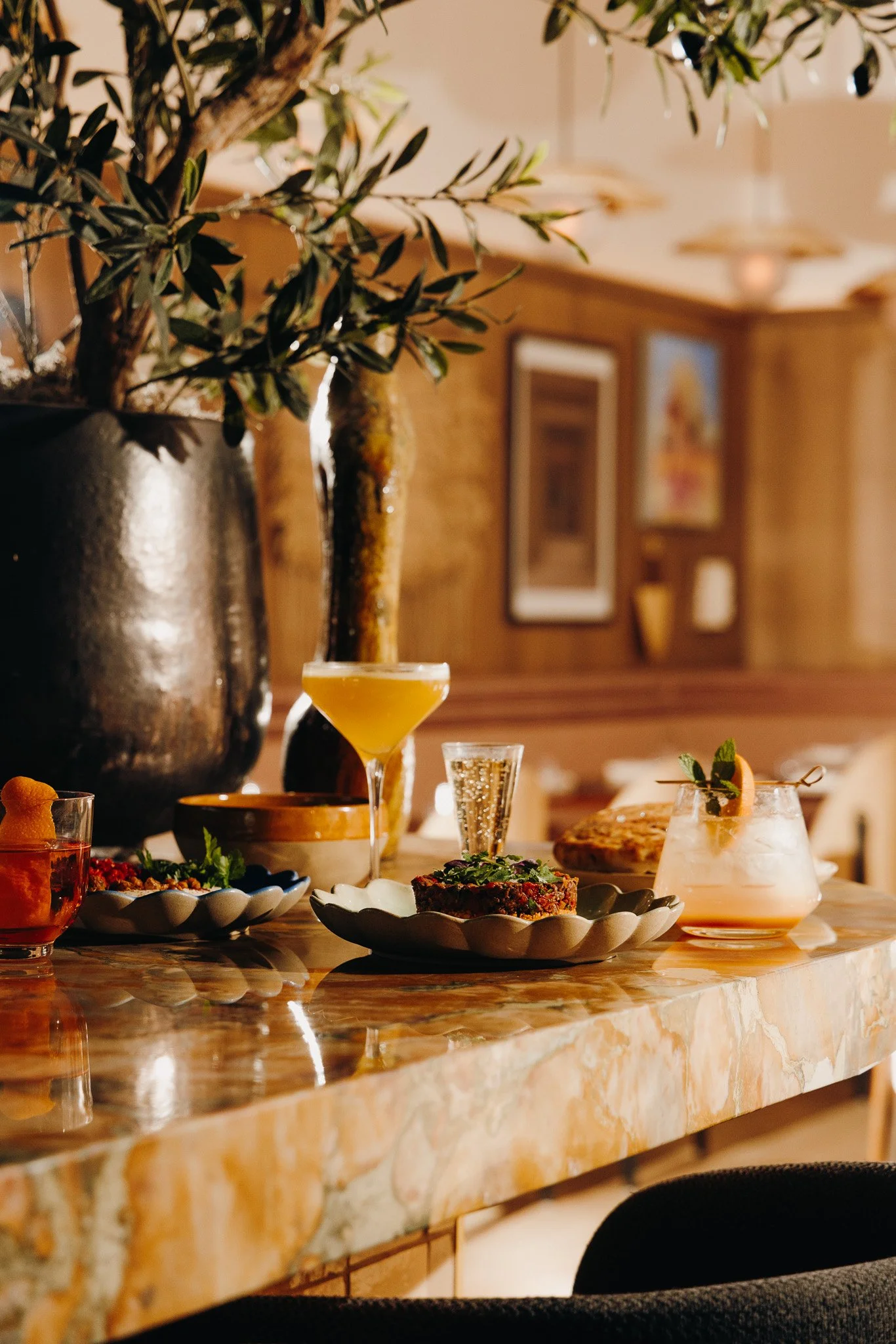
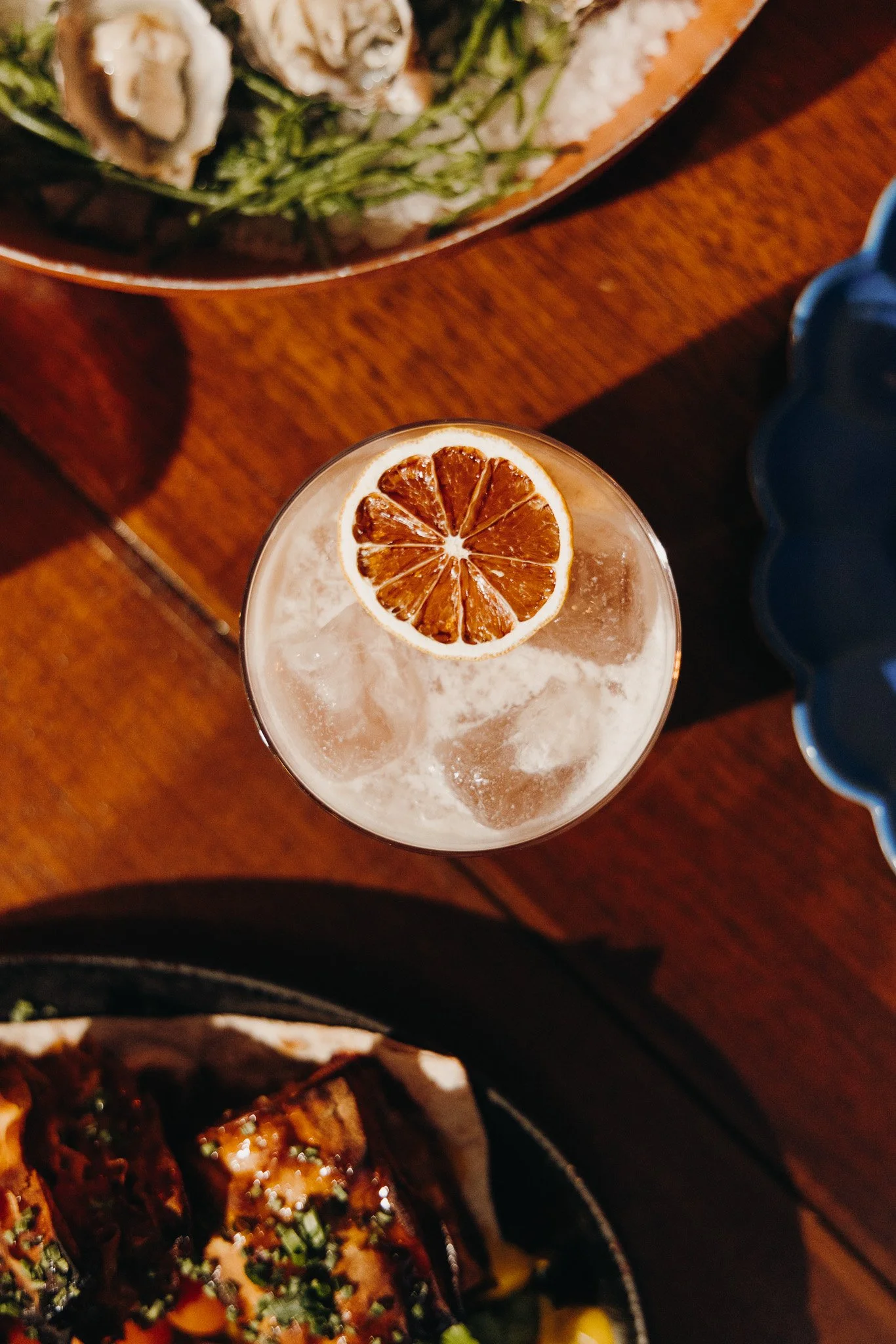


The initial challenge was to create two distinct brand identities that could coexist while serving different audiences. The client made it clear from day one that the hotel and restaurant accounts needed to feel distinctly different, and that neither would succeed without a strong foundation. Before any content was published, a comprehensive brand strategy and visual identity were developed for both accounts.
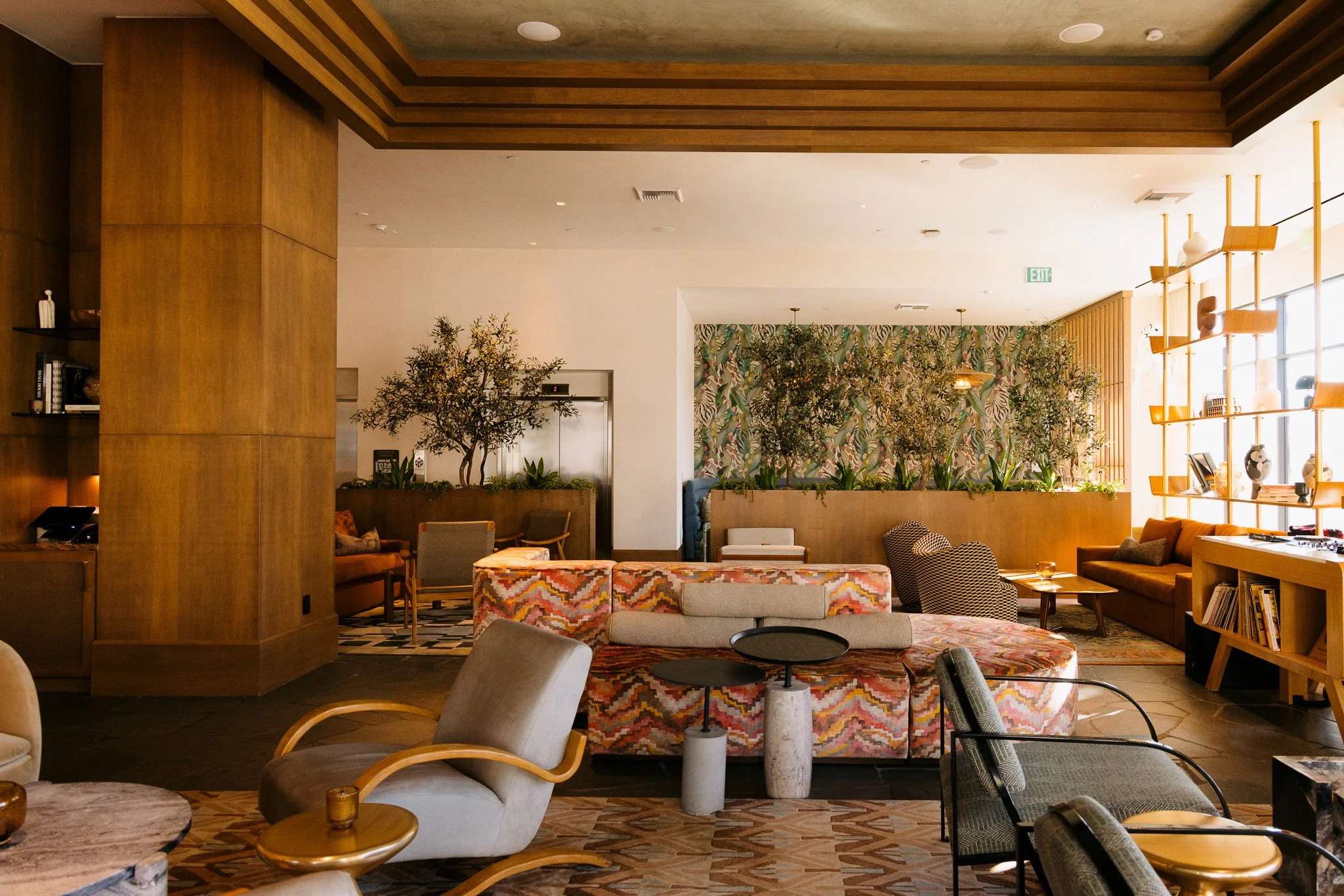
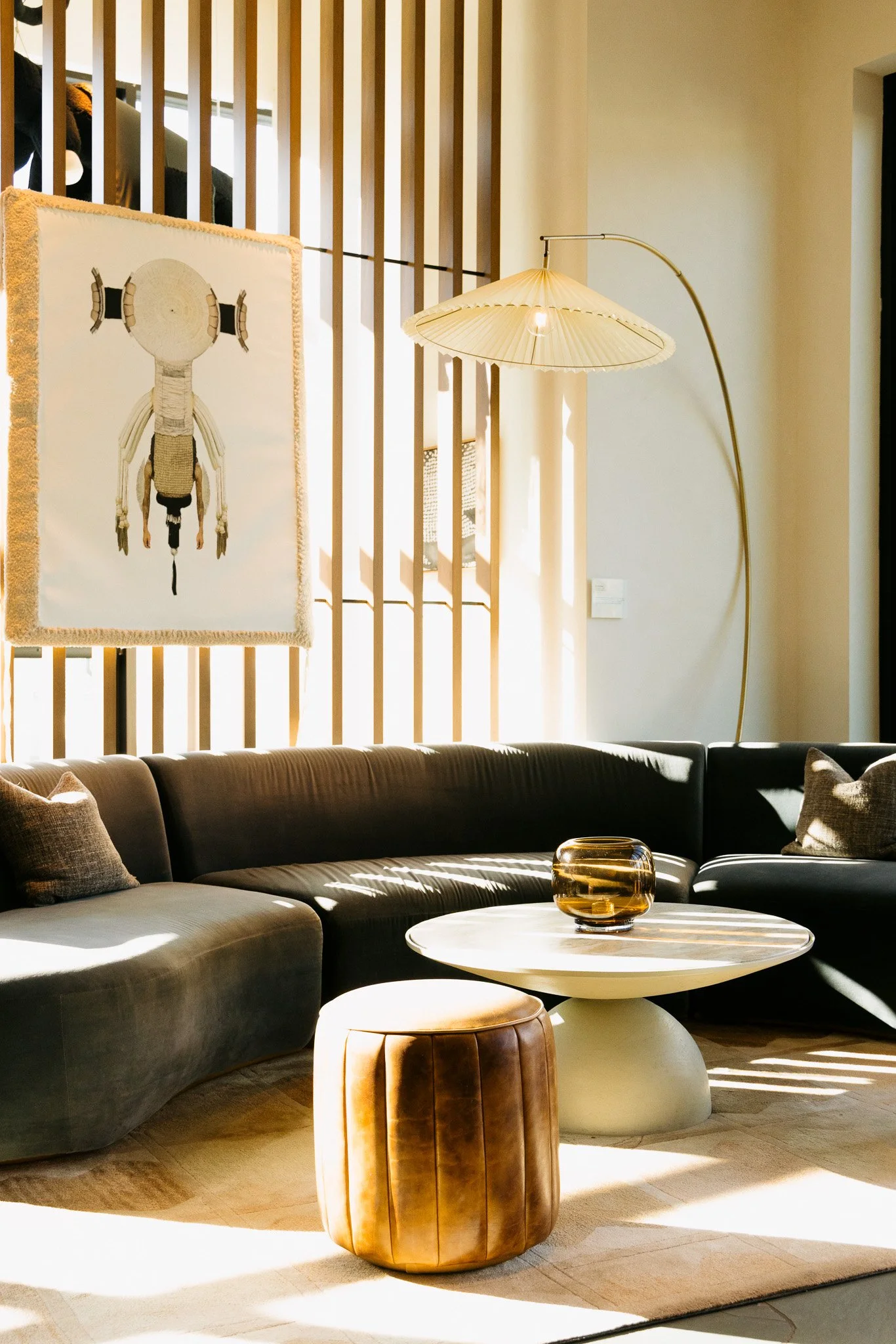
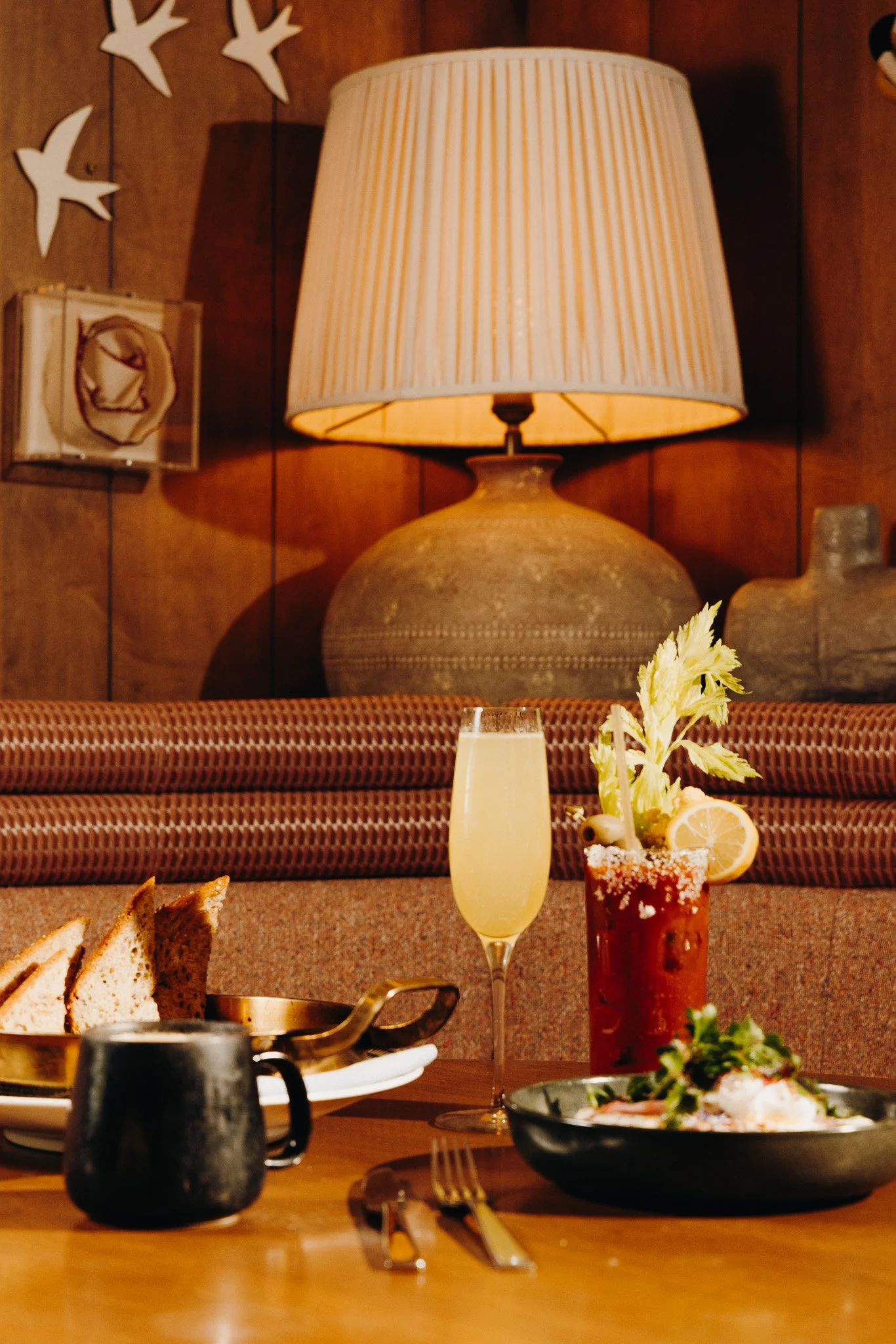
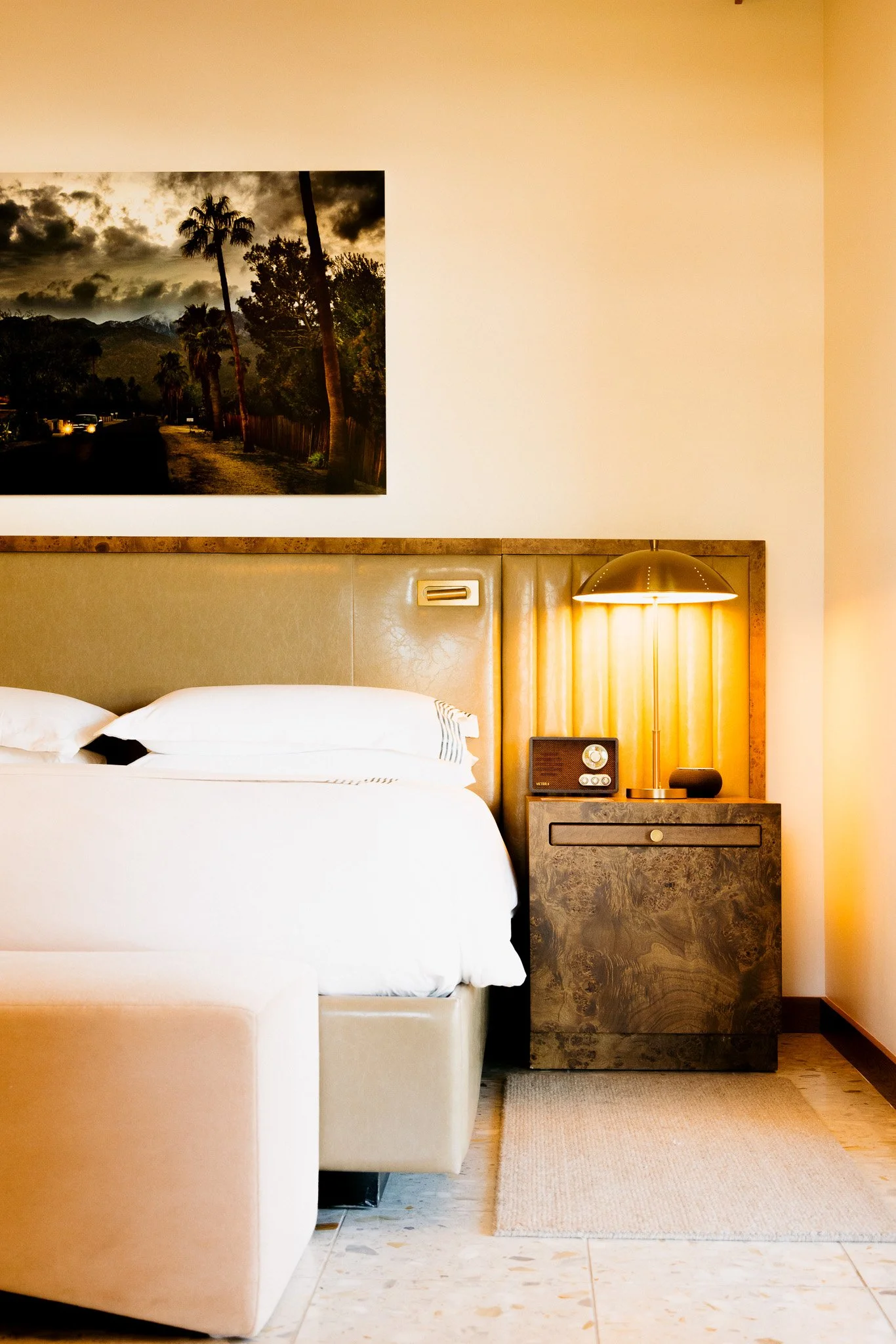
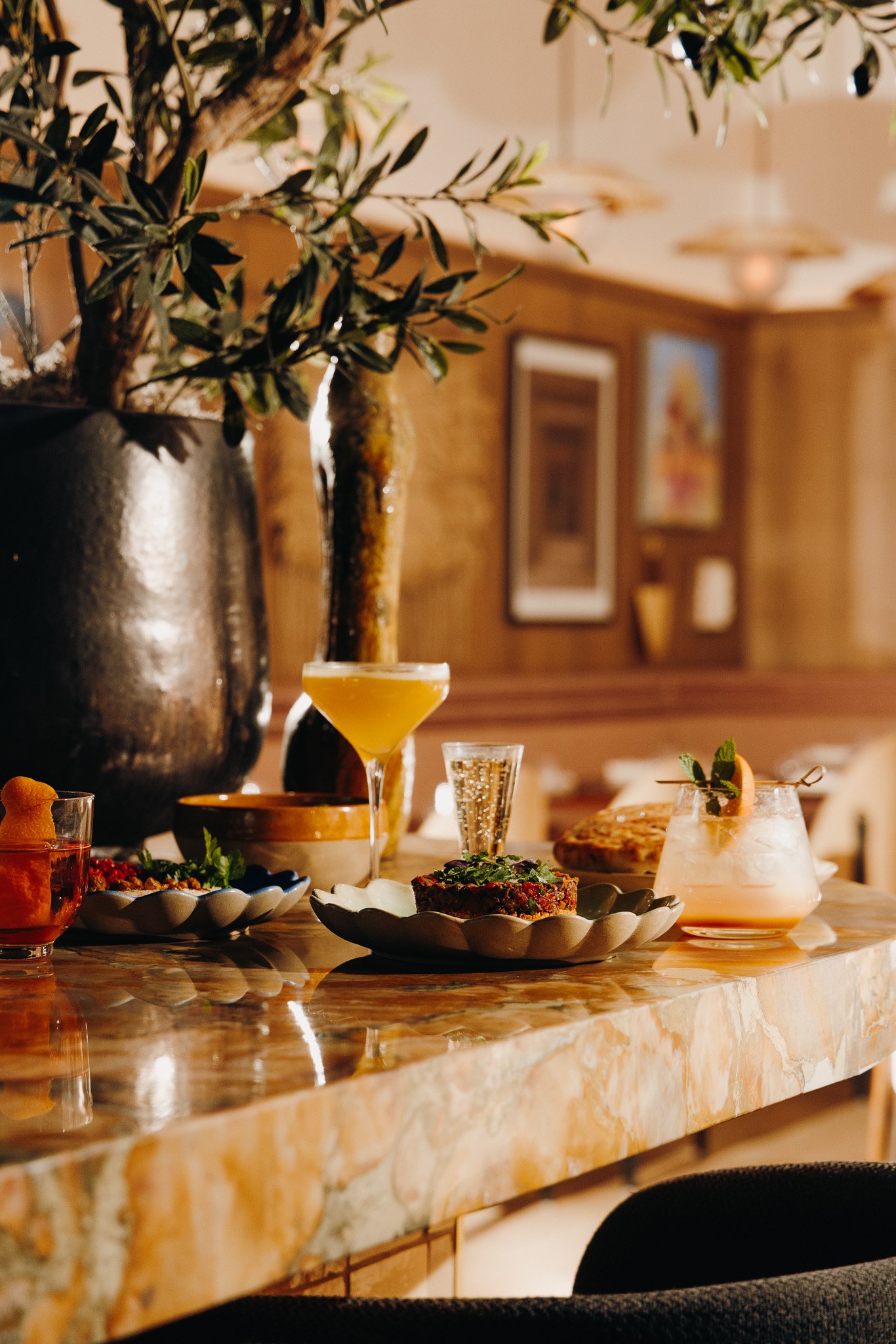
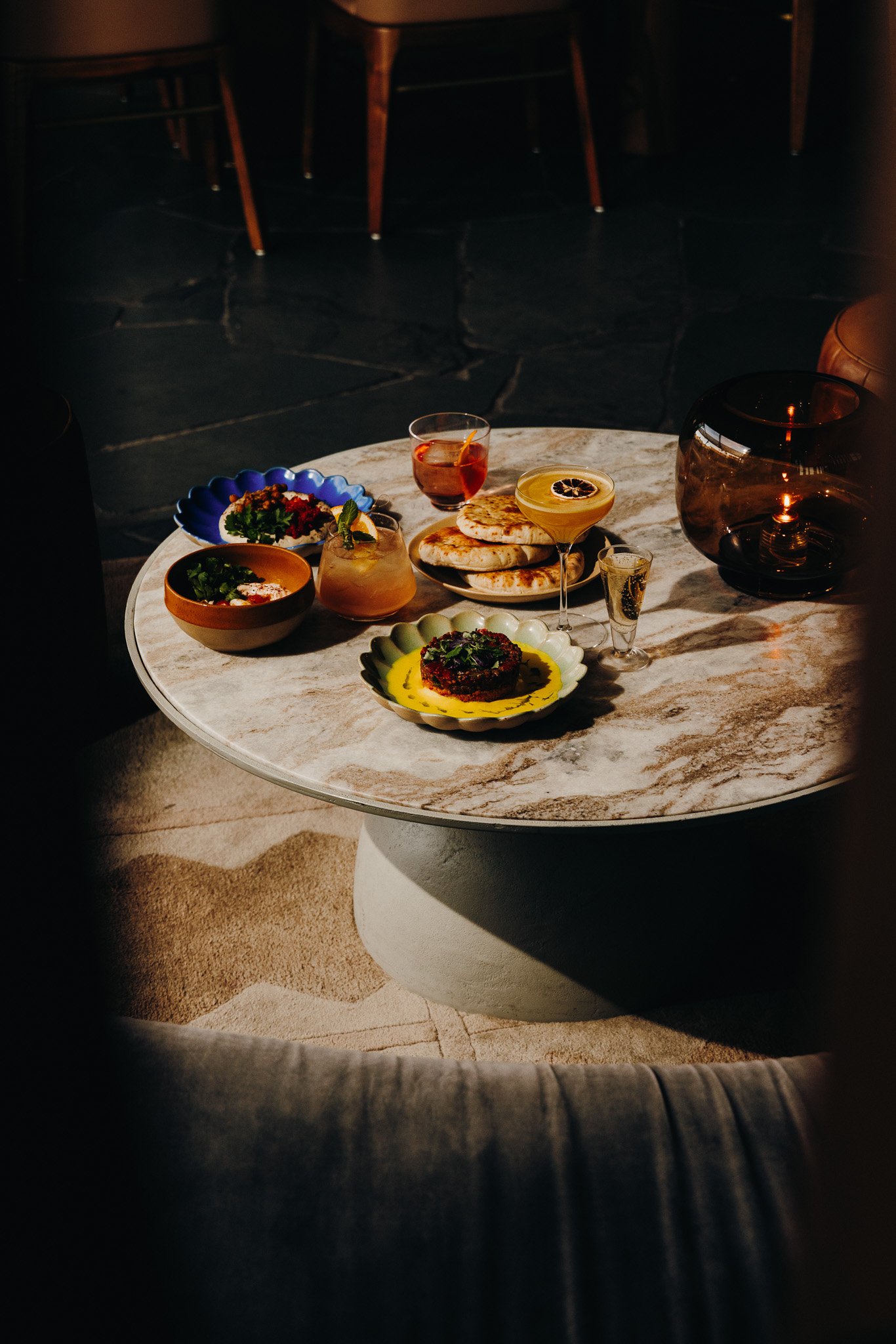
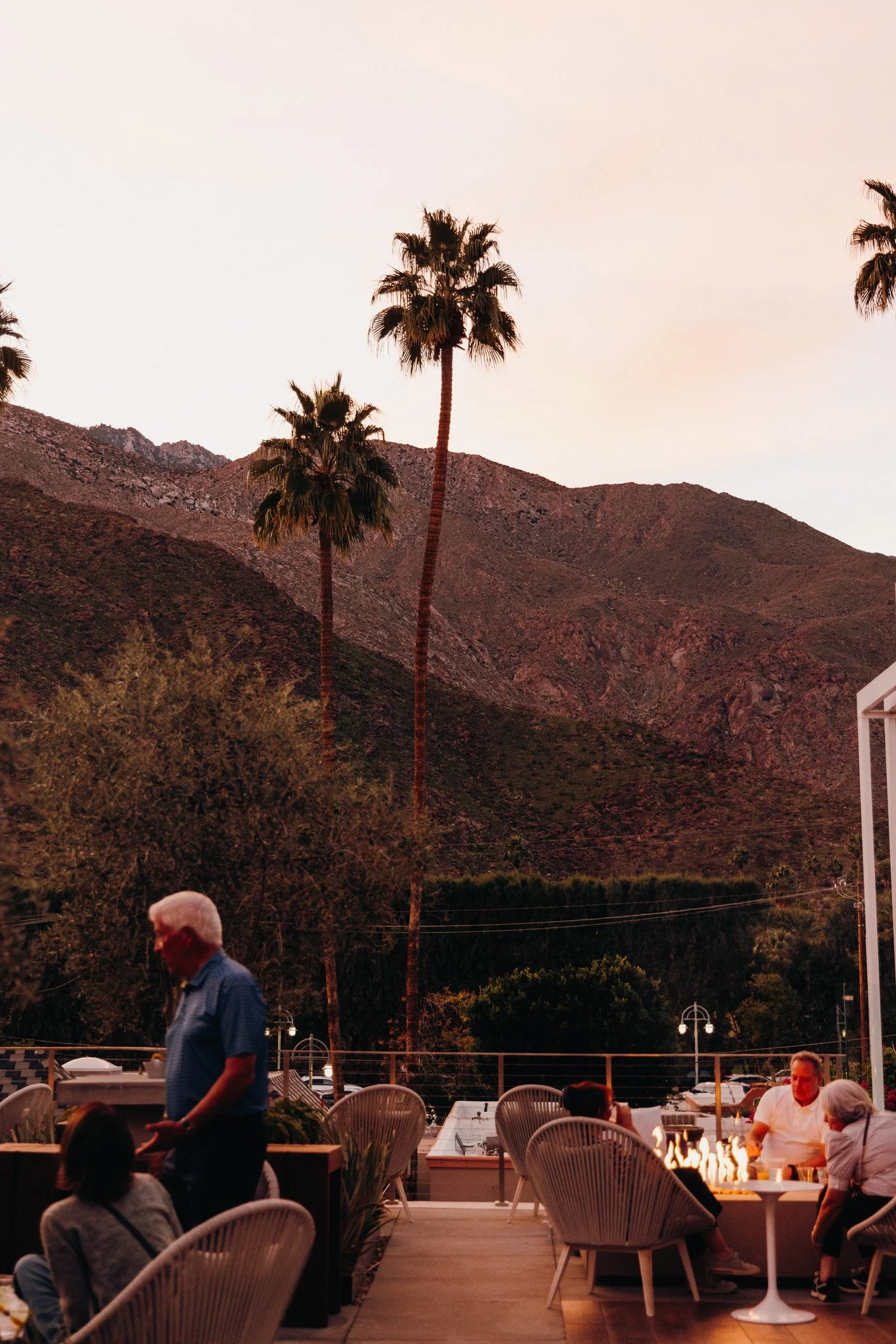
For the hotel, that meant leading with landscape, architecture, pool, and views — bright, vivid, cinematic — and making every post feel like you could place yourself in it. Not a mug of coffee. The seat you'd be sitting in drinking it, with the mountain behind you. For the restaurant, it was the opposite energy — rich, amber-toned, deeply food and beverage focused, built to operate like a standalone restaurant with its own identity completely separate from the hotel. Two handles. Two worlds. One through line: would someone see this and think, I need to be there — and more importantly, would they send it to a friend?
That last part mattered from the start. Shareability wasn't an afterthought. Every piece of content was built to travel — to be the thing someone screenshots and texts to their group chat, saves to a folder they'll come back to when they're planning a trip, or tags a friend in without being asked. If a post wasn't worth sharing, it wasn't worth posting.
The strategy was simple, even if the execution wasn't.
Social is positioning, not documentation. Most hospitality accounts document — here's the pool, here's the food, here's a sunset. That's not a strategy. That's a photo album.
The content architecture broke down like this — 60% brand positioning, 30% social proof and energy, 10% direct conversion. Voice was confident, cultured, warm. Copy invited. It never oversold. Every piece of content was built to answer one question: would someone see this and think, I want to be there? If the answer wasn't yes, it didn't go up.
Here’s what happened in 30 days






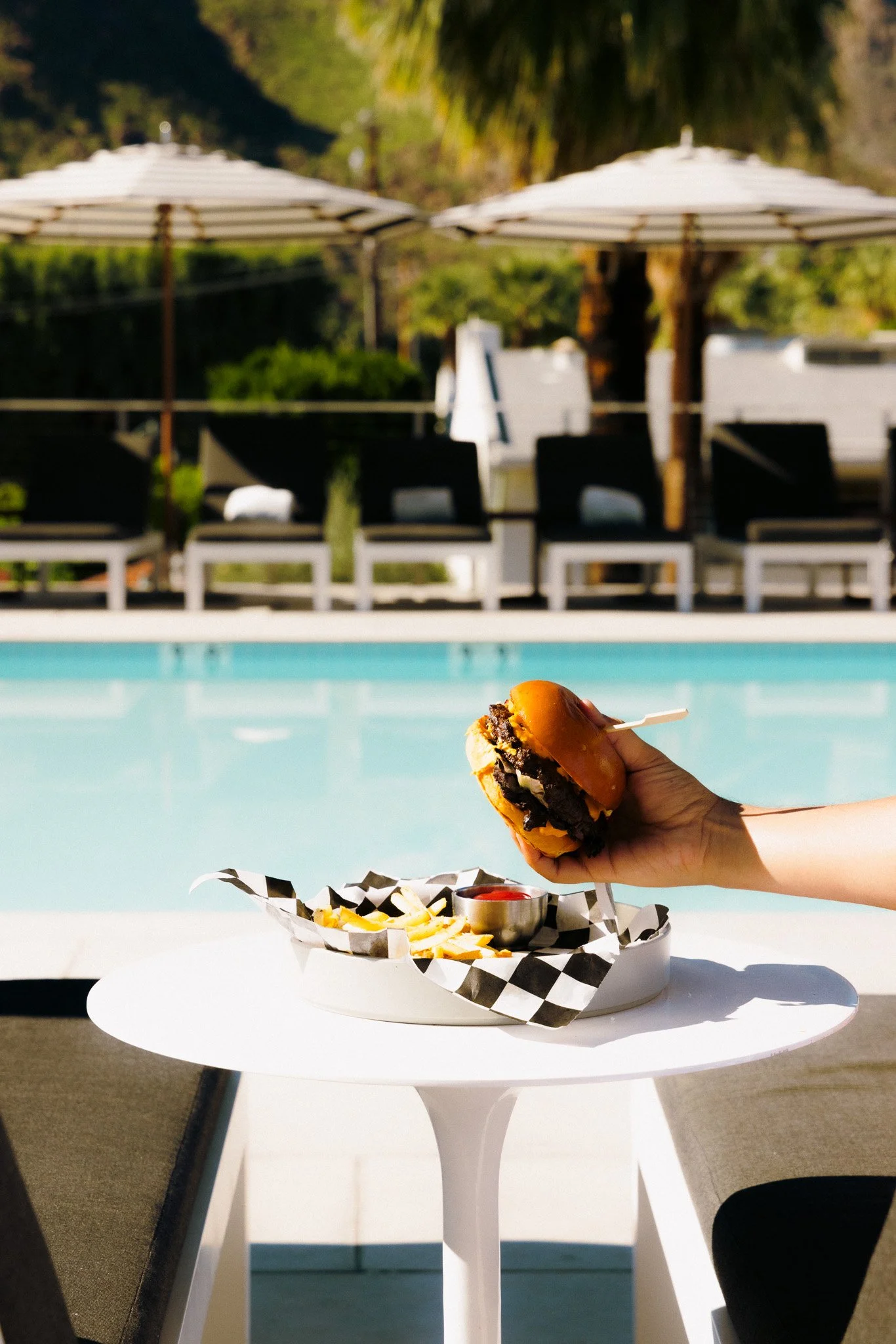
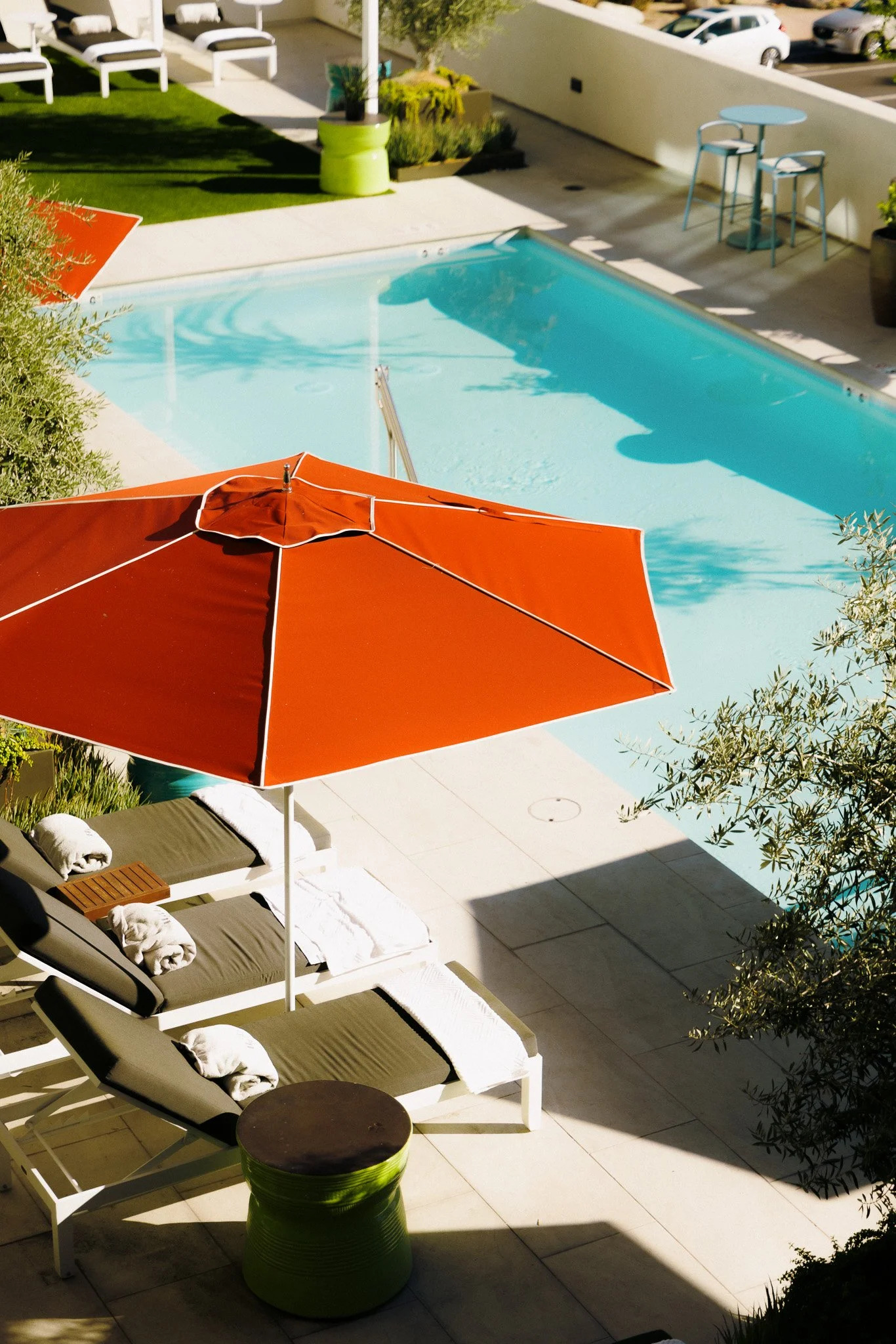
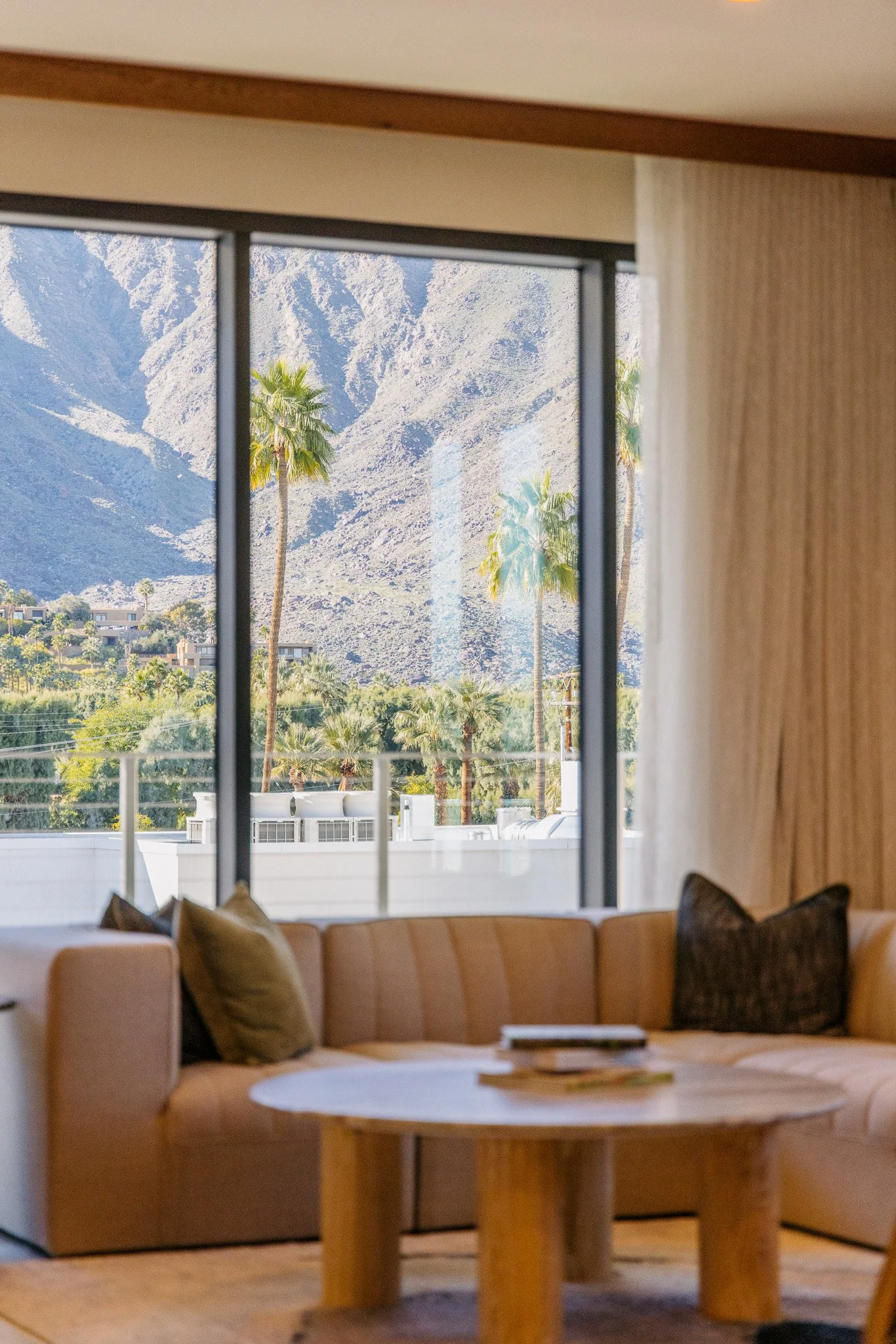
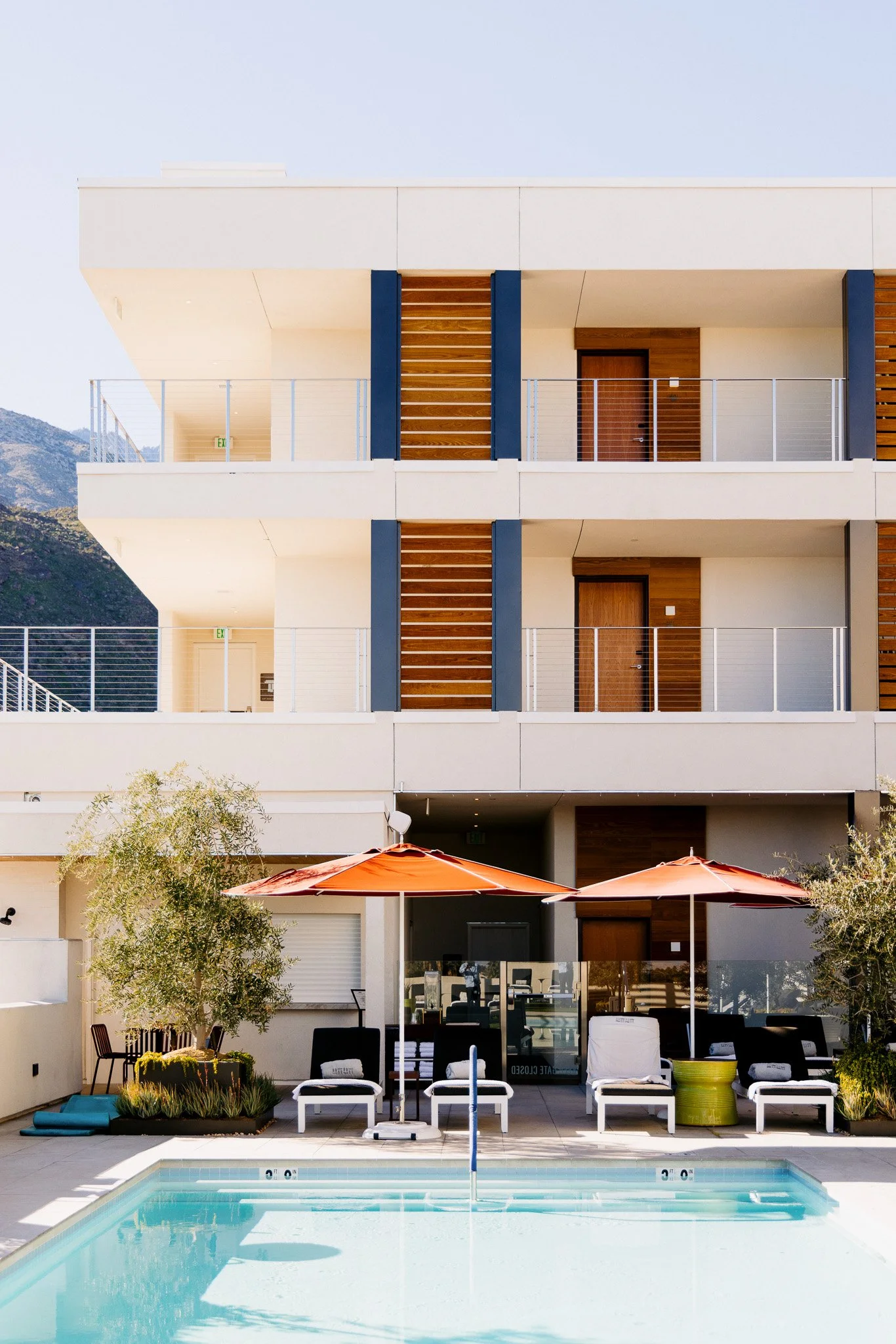
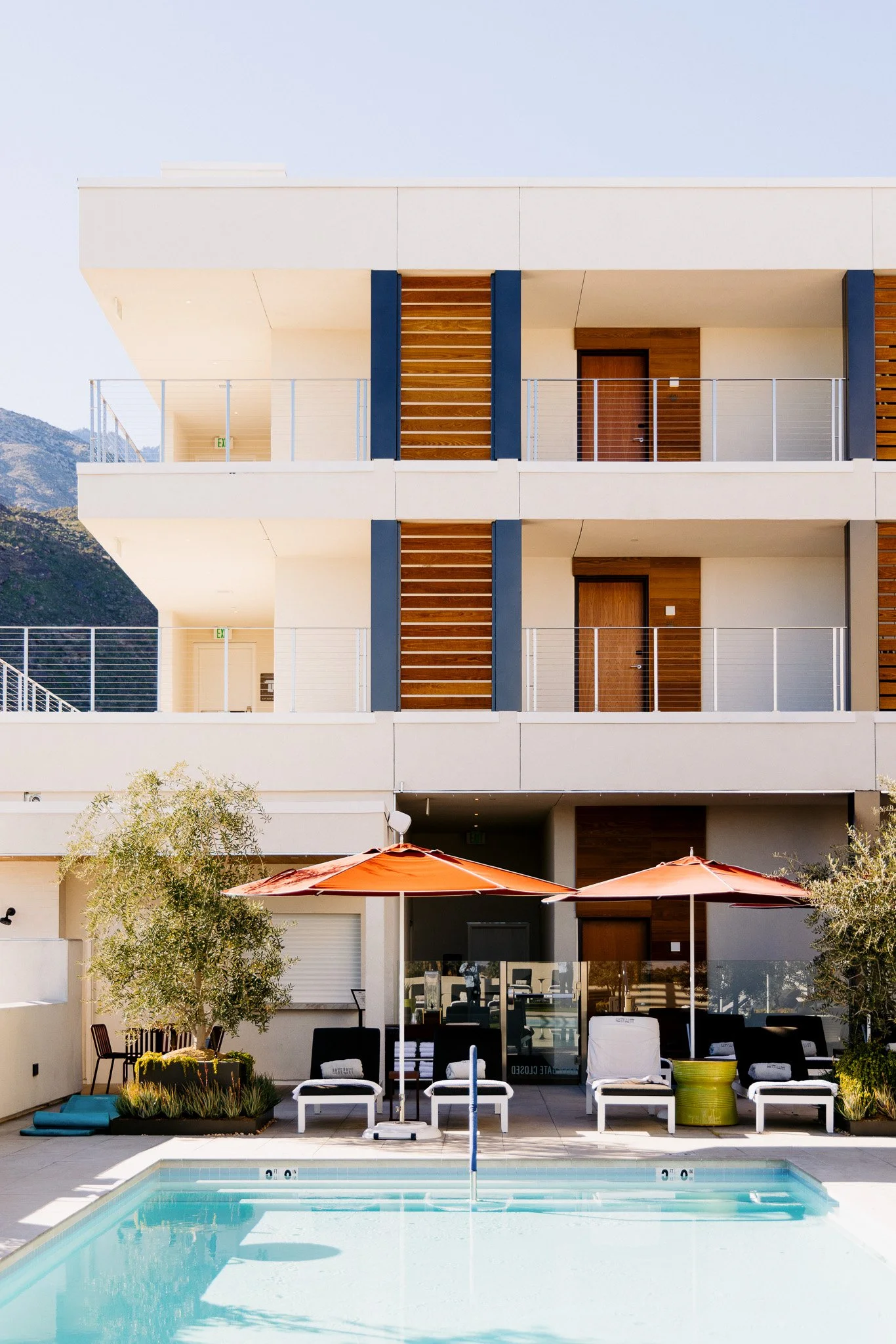
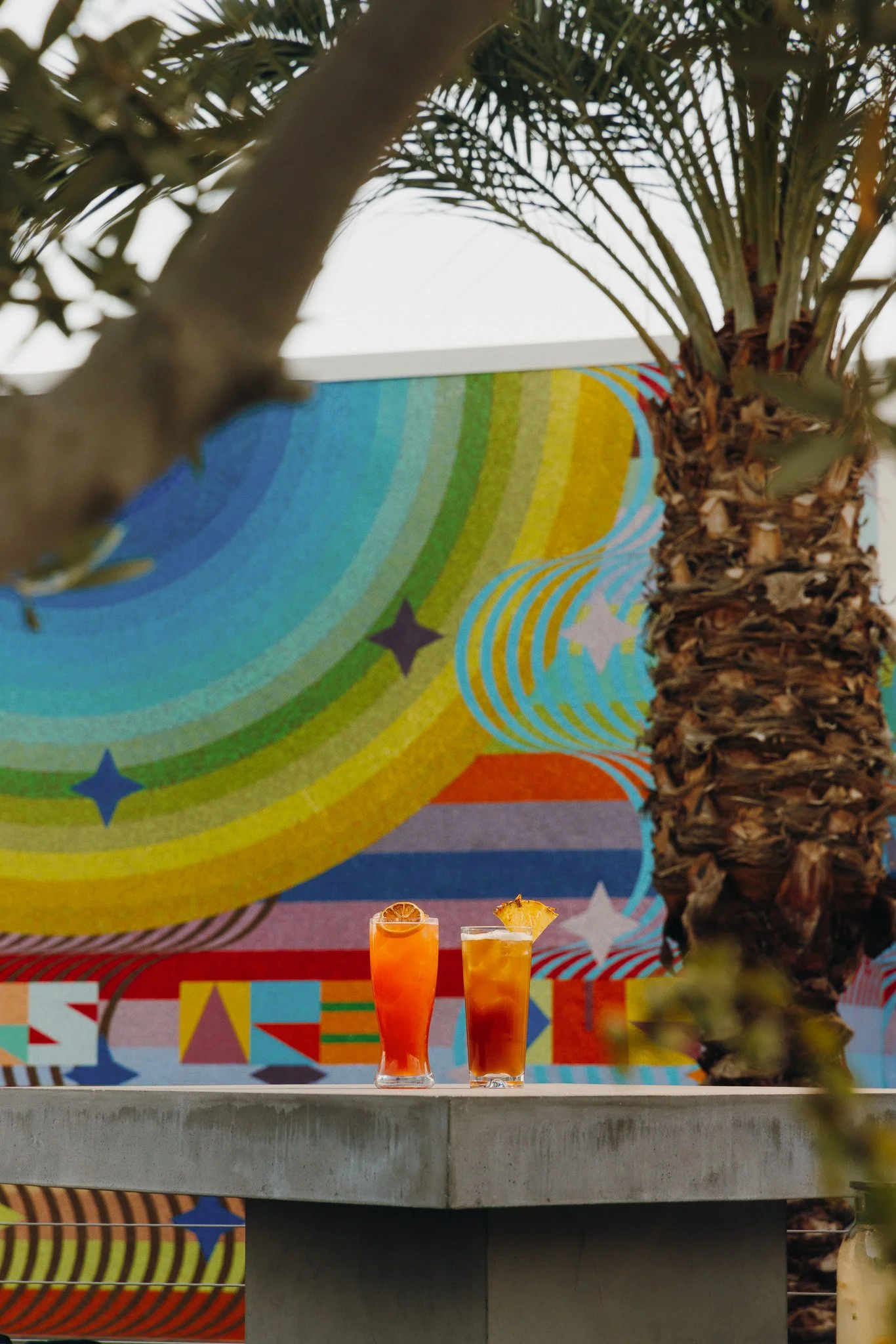


Thompson Palm Springs
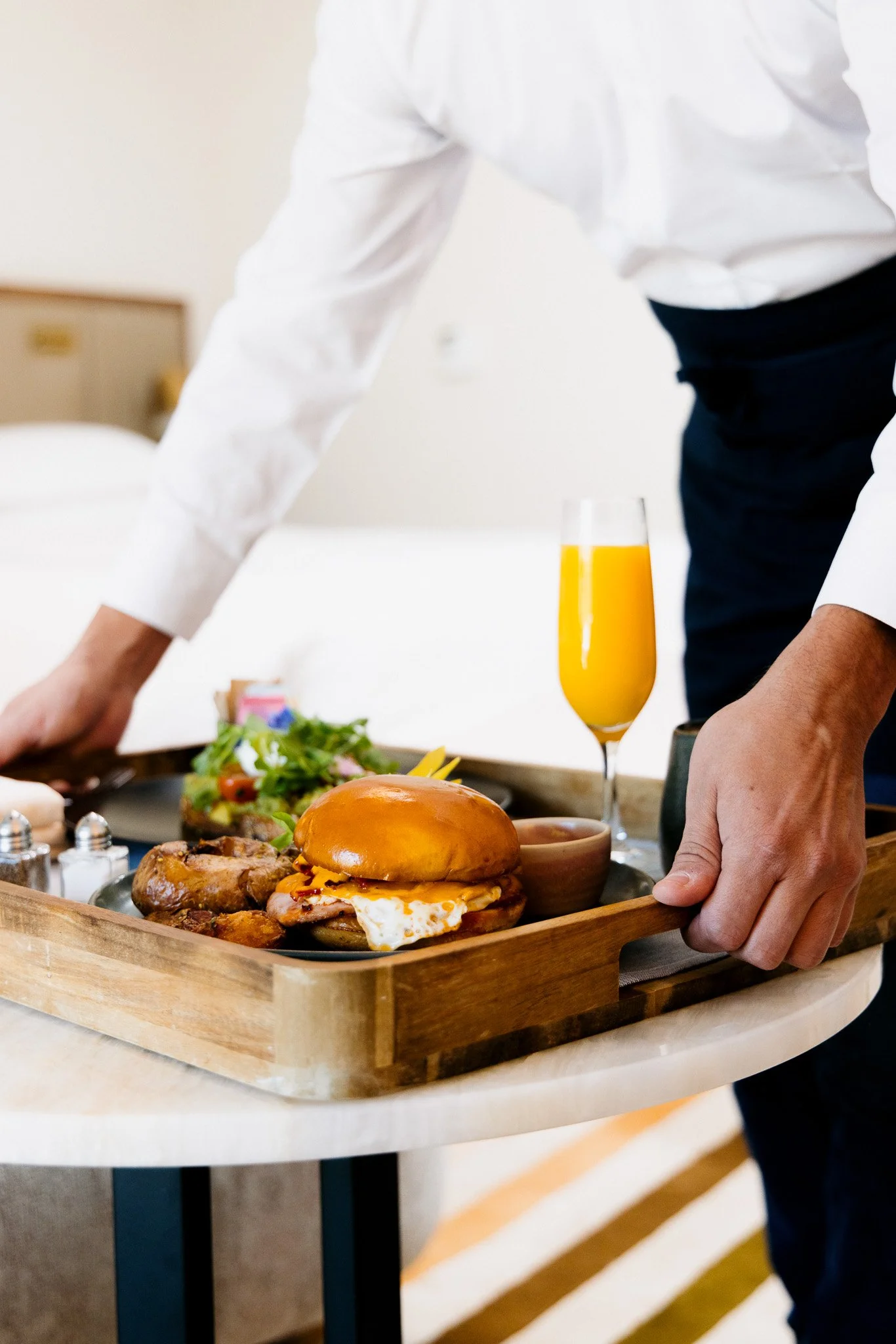
Before a single post went up, weeks were spent building the foundation. Brand strategy, visual identity, voice guidelines, content architecture, competitive positioning — all of it had to be locked before a single caption was written. The visual direction wasn't just "cinematic desert." It was a deliberate decision about what the property needed to feel like versus every other hotel in Palm Springs posting the same pool shot. Warm, high-contrast, design-forward — but more importantly, specific. Imagery that made the property feel lived-in rather than documented. A rule that every post had to pass before it went live: would someone see this and think, I want to be there — and would they share it? Most didn't make the cut on the first draft.
Month one: The foundation paid off — 1,100 new followers, 437.9k in reach, 6.84% average engagement rate on reach, up 60% from the prior month. Shares grew 885%, saves grew 700%, post engagements grew 893%. Month two held — 885 new followers, 364.9k in reach, shares up another 505%. The top post hit 12.81% engagement on reach. A video of the pool. Three words on screen: "Mentally I'm here." It looked effortless. It wasn't.
Lola Rose
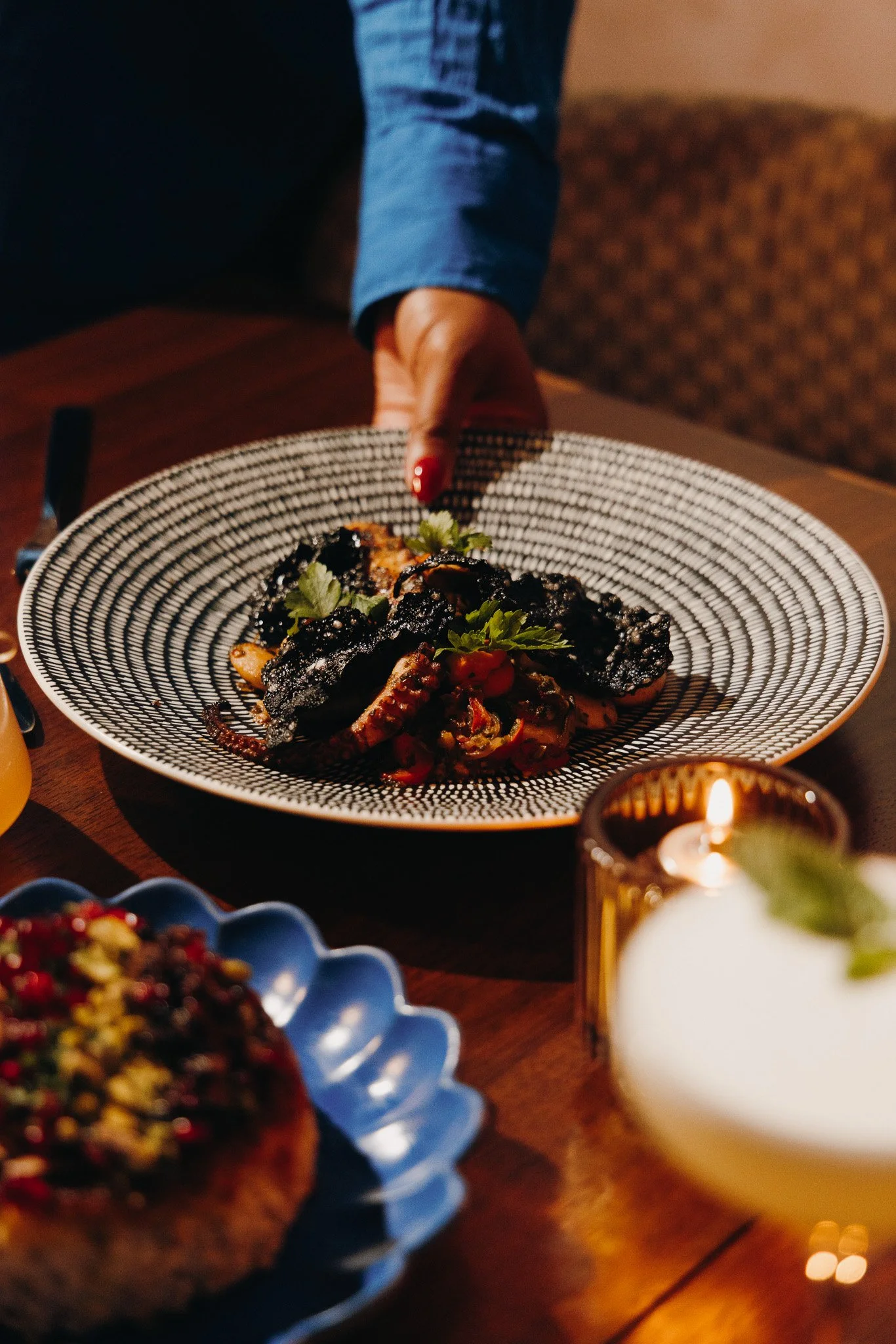
Lola Rose required an entirely different strategic lens — and that separation was deliberate from the start. The biggest risk with a hotel restaurant account is becoming an extension of the hotel feed, losing any identity of its own in the process. So it was built as a standalone brand. Different voice, different visual world, different content strategy, different purpose.
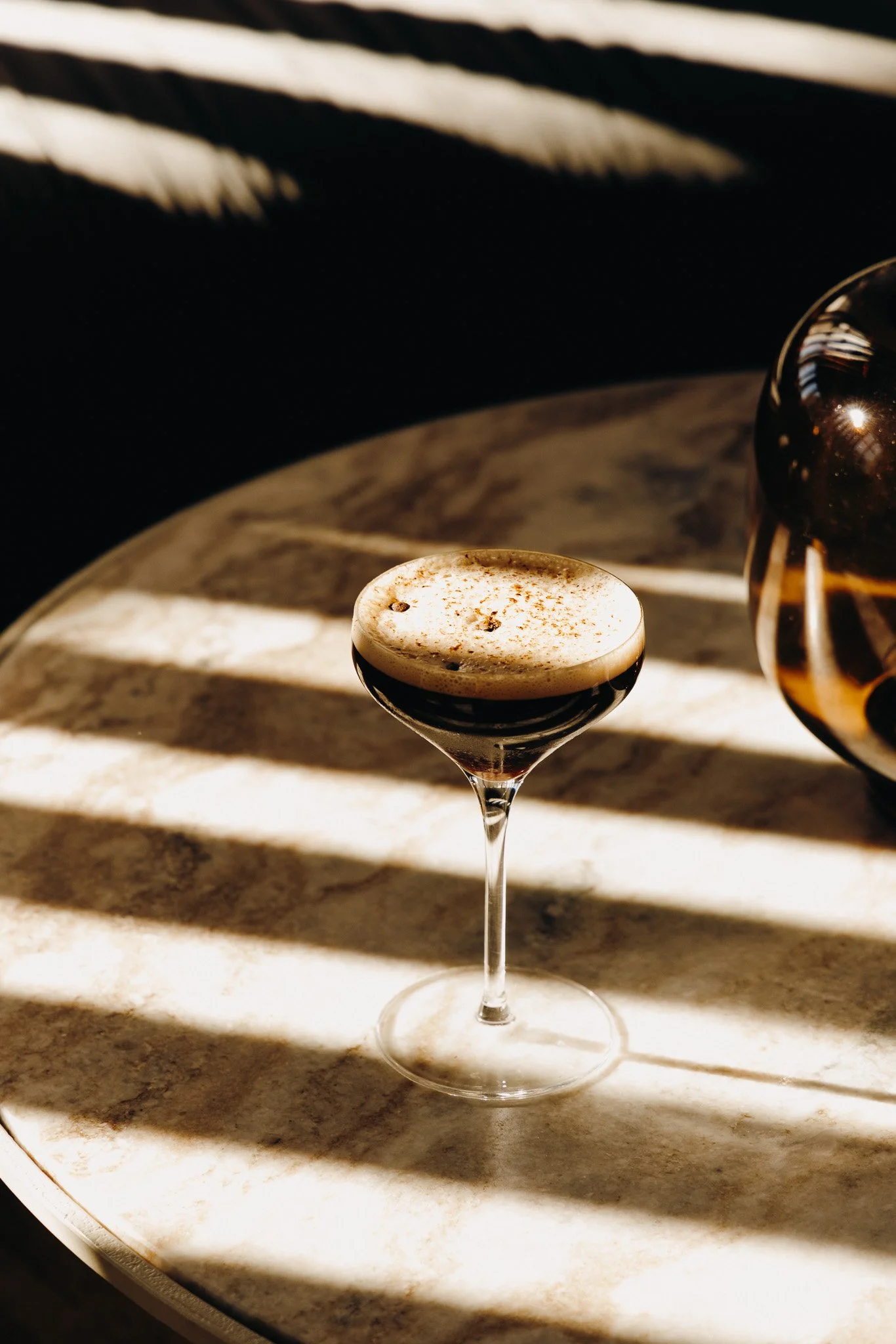
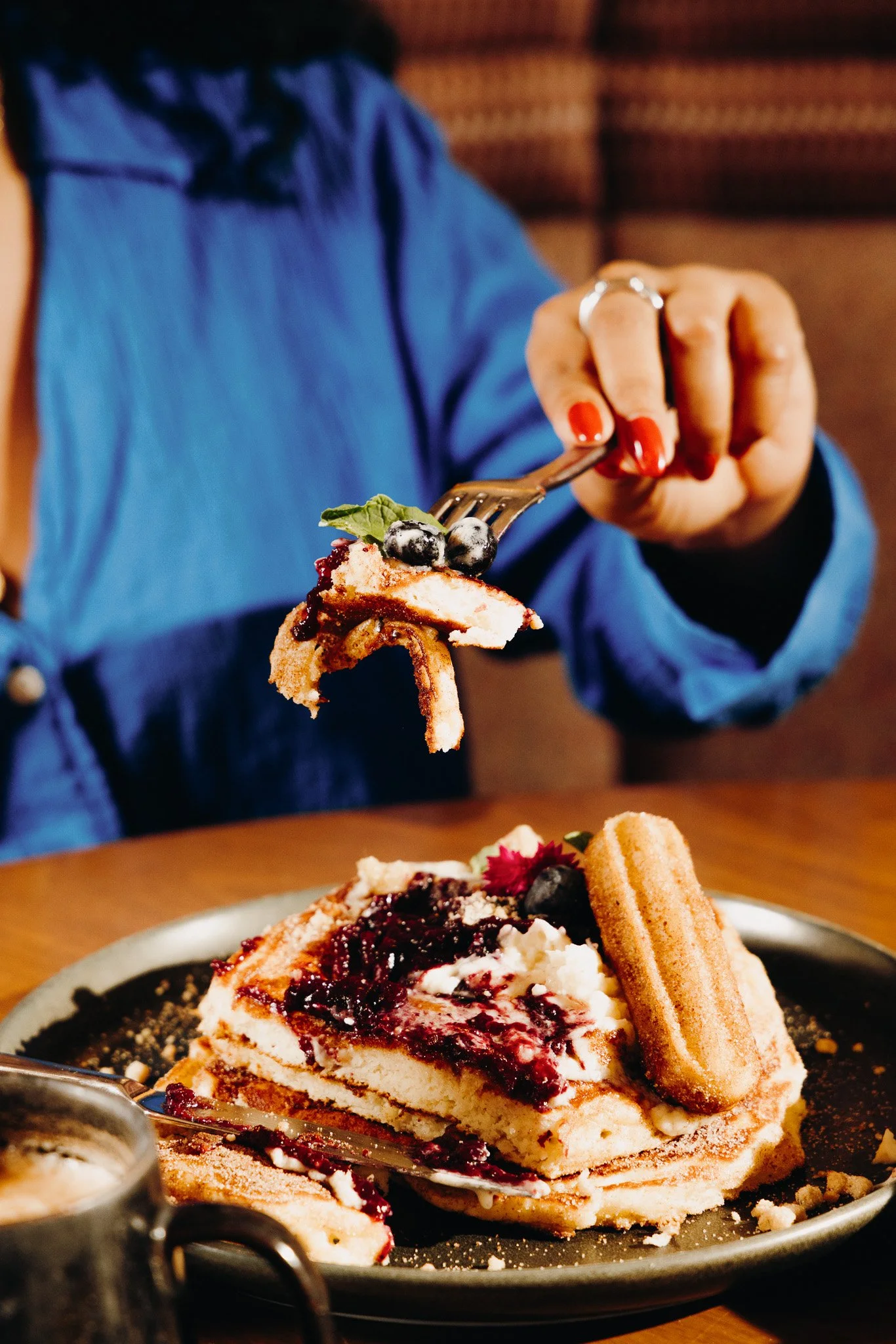
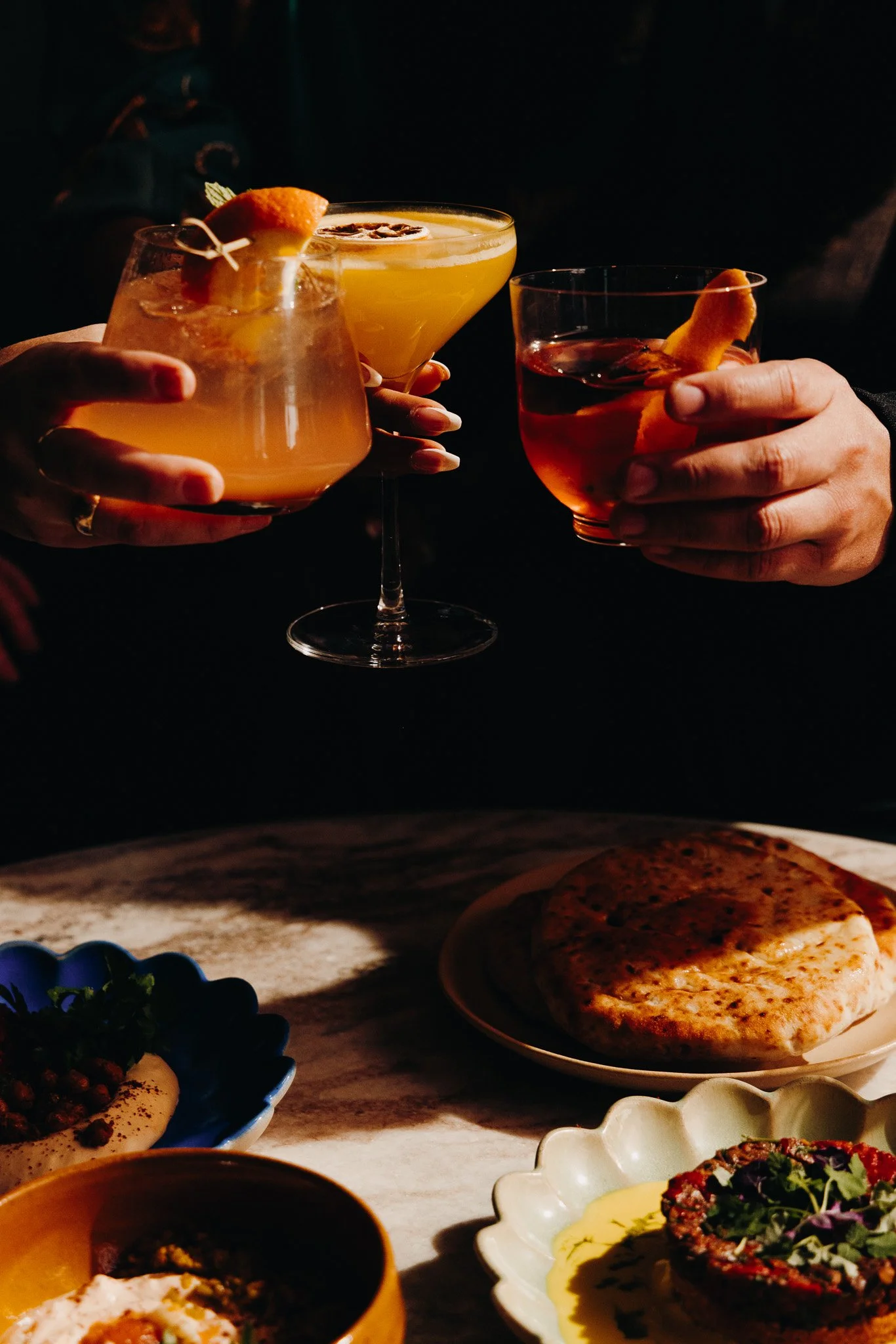
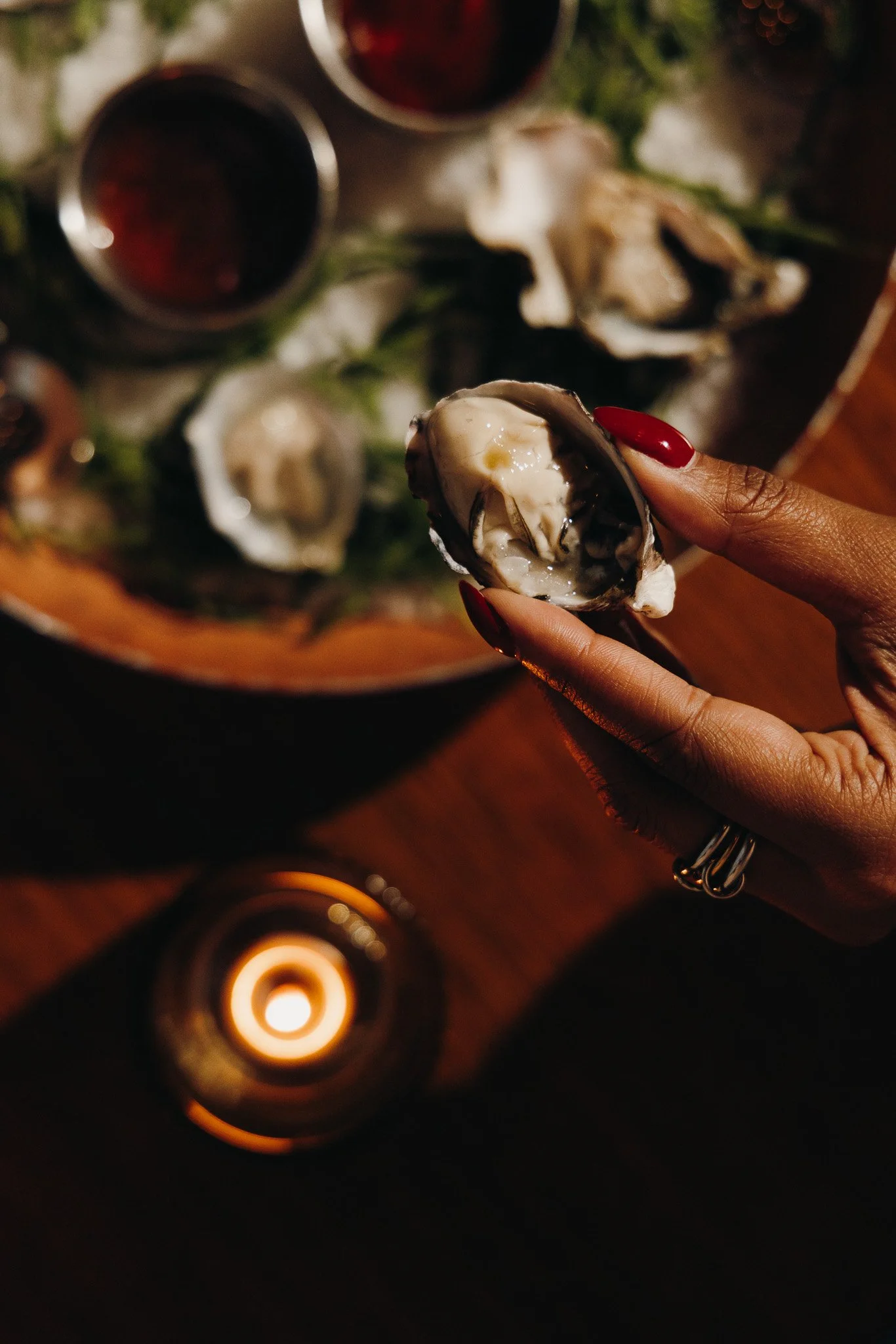
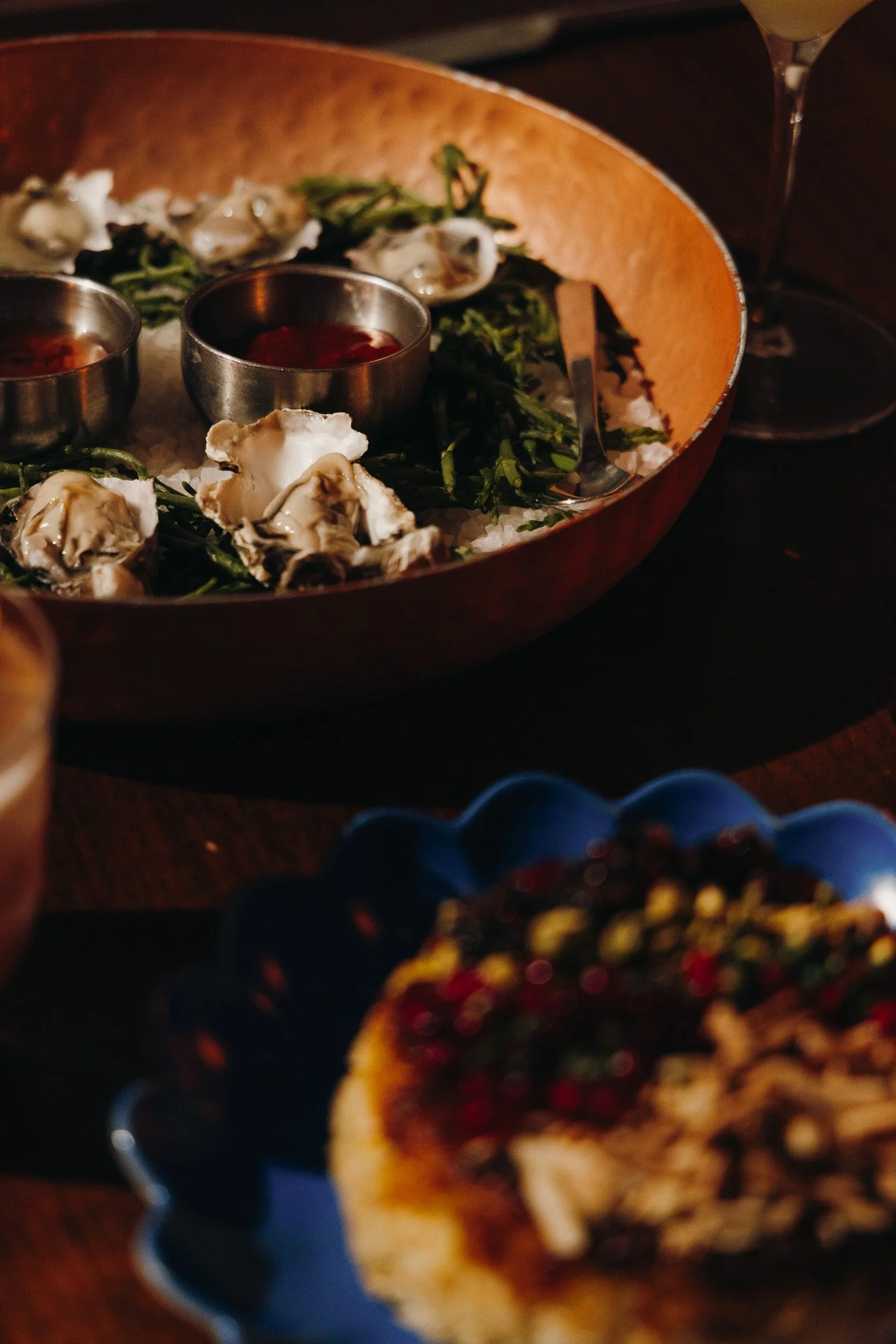
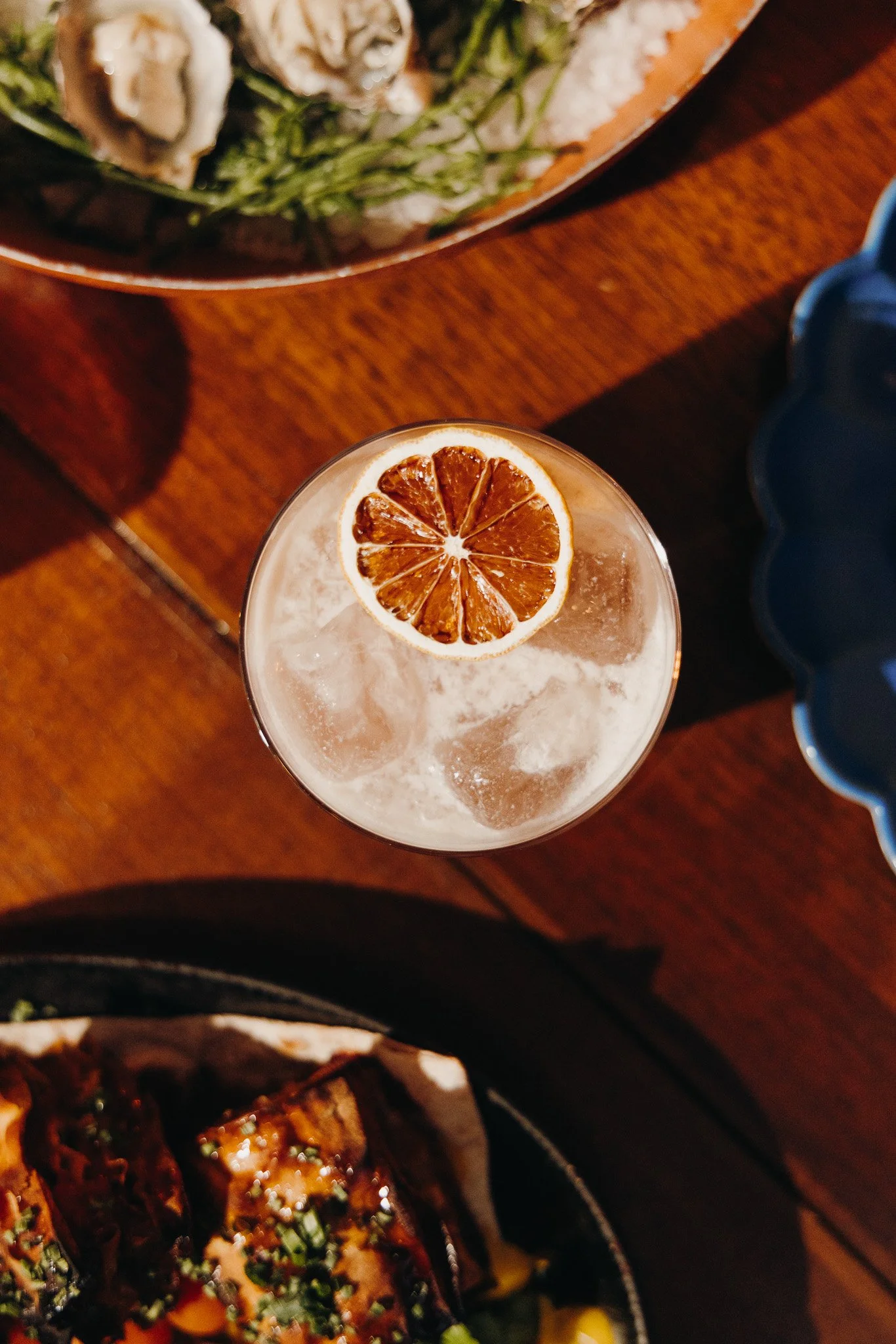
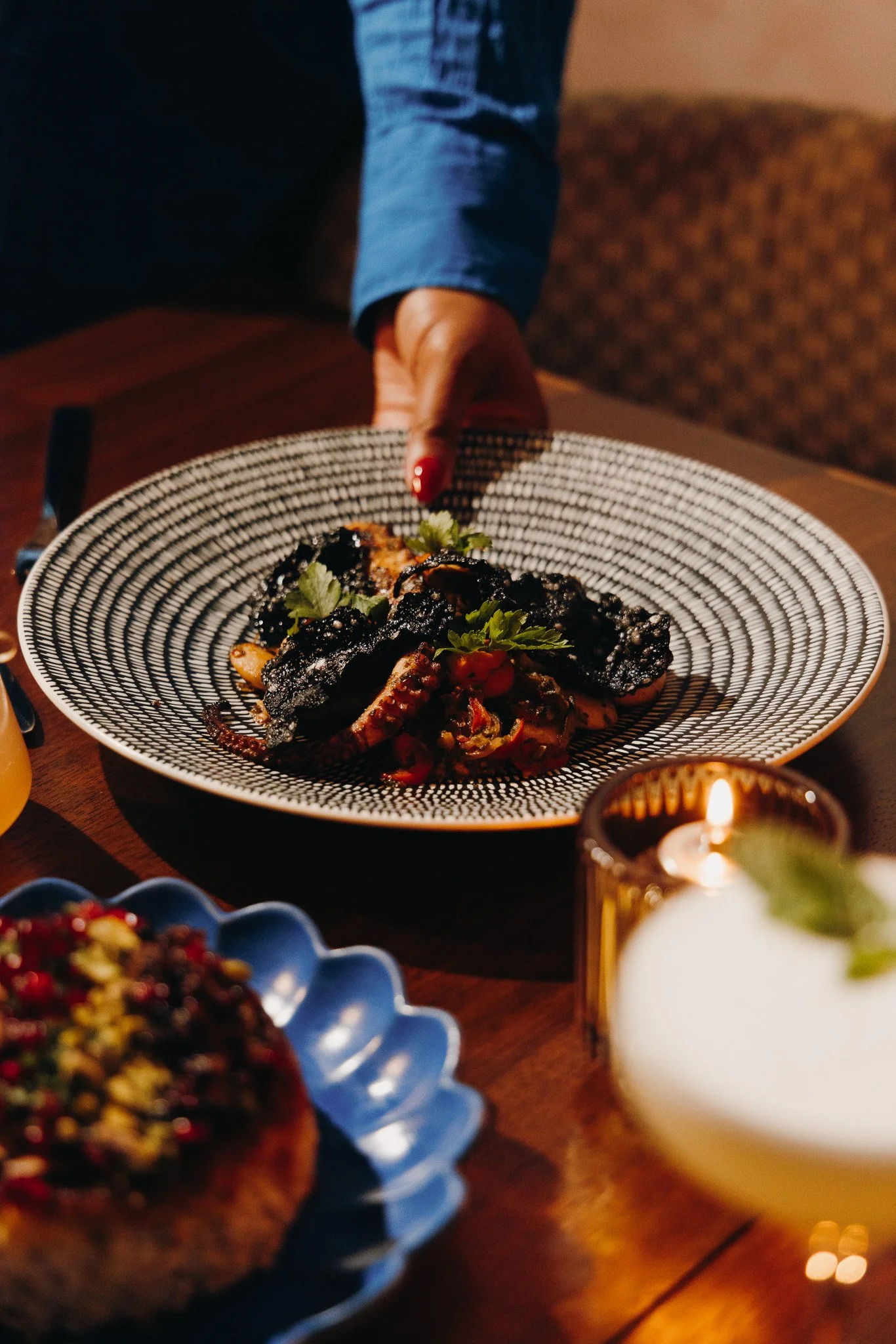
Where the hotel was bright and cinematic, Lola Rose leaned rich and moody: amber tones, candlelight, close-up food photography chosen specifically to build credibility before atmosphere was pushed. The content followed the arc of an evening — cocktails as the entry point, food as the anchor, the feeling of the room as the closer. Every post had a job. Nothing went up because it looked good. It went up because it moved someone closer to making a reservation — or sending it to a friend with "we need to go here."
Month one: 417 new followers, 65.1k in reach, 4.91% average engagement rate on reach — up 29%. Saves grew 175%, shares grew 293%, post engagements grew 425%. Month two compounded — post engagements up another 155%, shares up 220%, engagement rate on reach climbing to 4.58%. Two accounts. Two completely distinct identities. Both growing because neither one was built by accident.
What the numbers actually mean.
Saves and shares are the metrics worth watching most closely. Likes are passive. Saves and shares mean someone found the content useful enough to return to, or important enough to send to someone else. That behavior is guests planning visits. That's someone texting their friend we should go here. It's the clearest signal social can send that the strategy is working.
The other thing worth noting — the top posts from month one kept performing into month two. That's not luck. That's what happens when the creative is built on a real strategic foundation instead of chasing what performed last week. Thompson added another 885 followers in February, shares grew 505%, and reach hit 364.9k. Strong creative compounds. That's the whole point of doing it right the first time.
The takeaway.
The work that makes a post look effortless is invisible by design. Weeks of strategy, visual direction, and intentional decision-making happen long before anything goes live. You don't need to post more. You need to post with intention. Every account gets the same foundation — a clear point of view, a visual identity that's distinct, and a content strategy that serves a real business goal. When those things are in place, the numbers follow.
This is proof of what's possible in 30 days when the strategy is right.